SPRAWL was a national exhibition with strong local resonance.
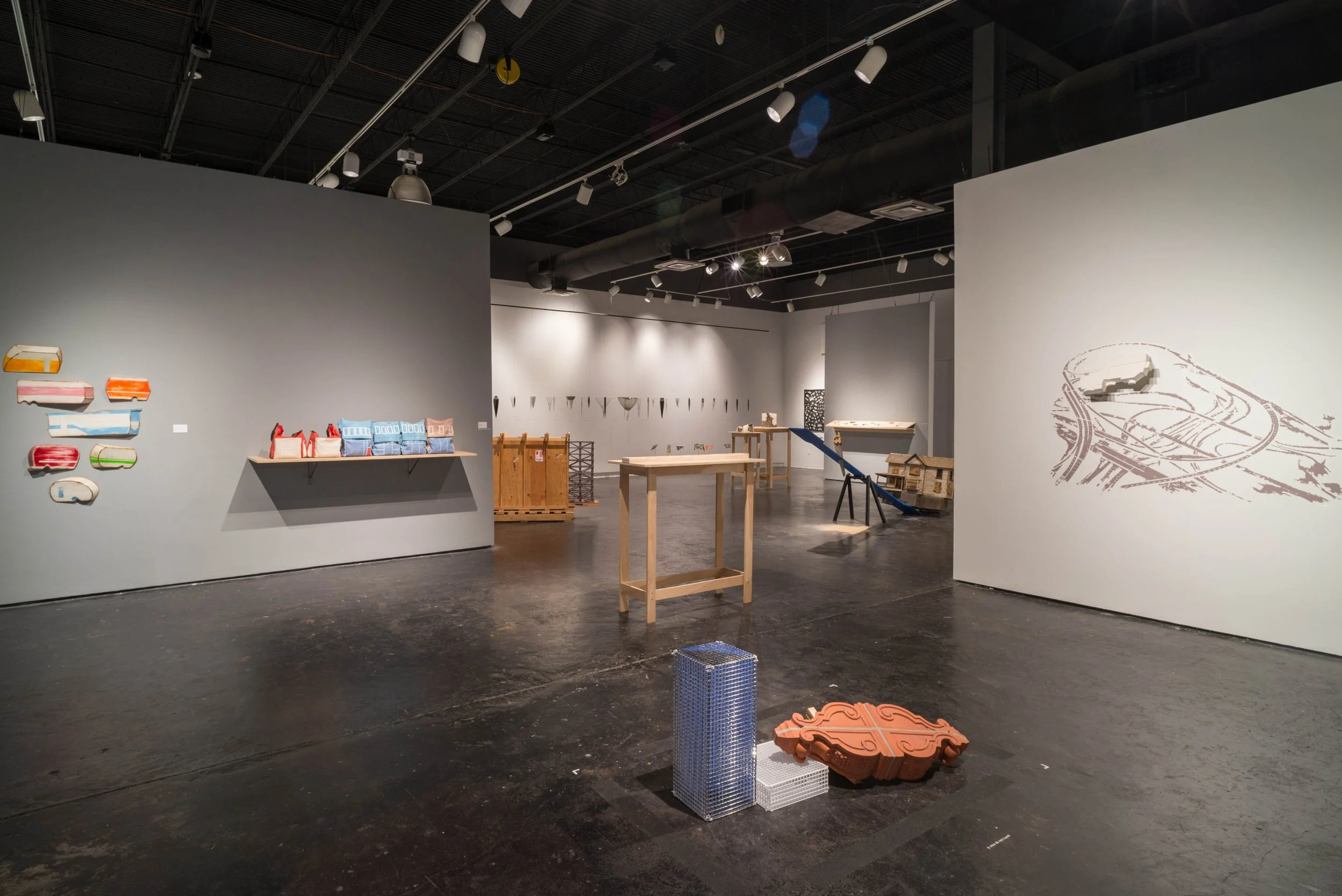
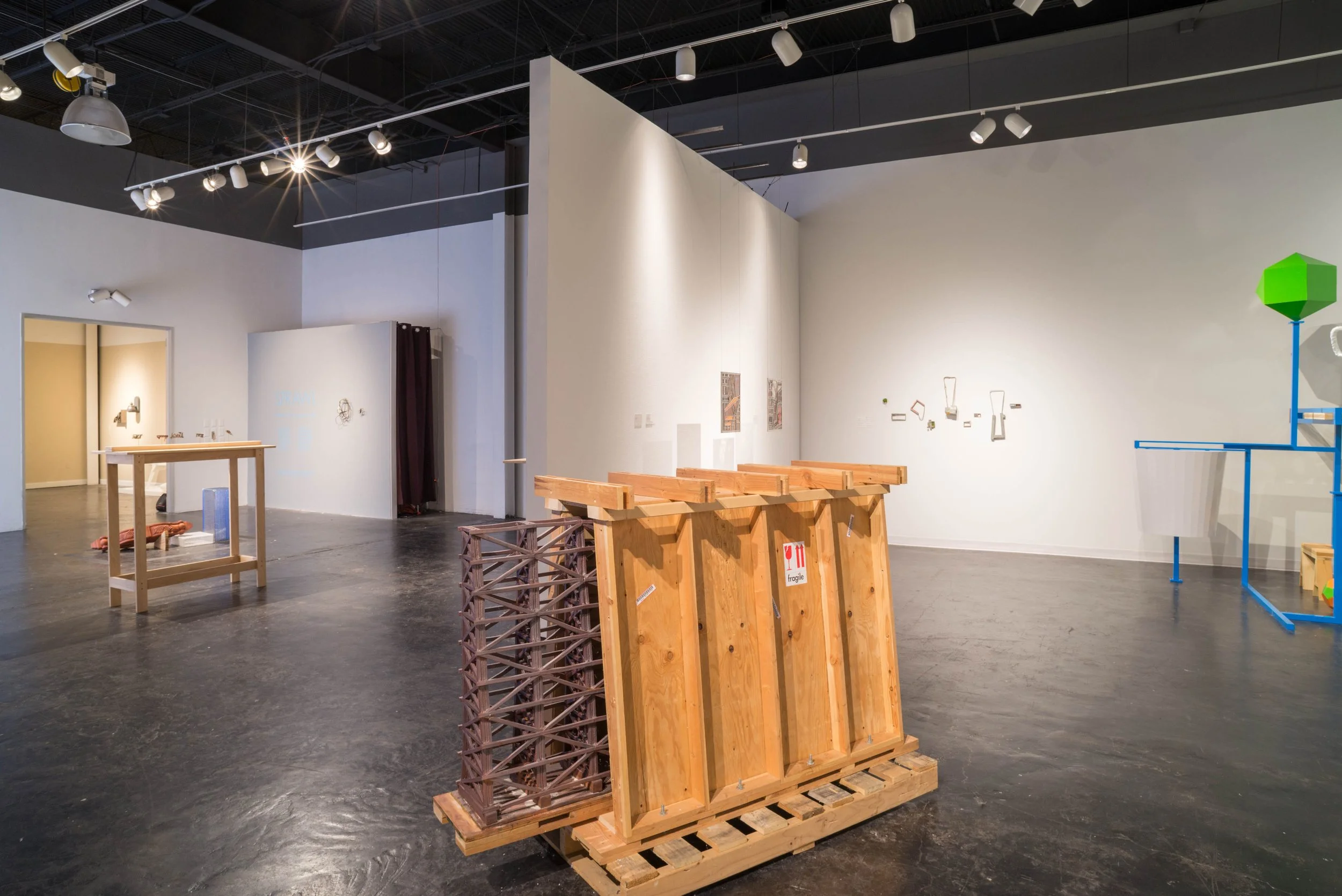
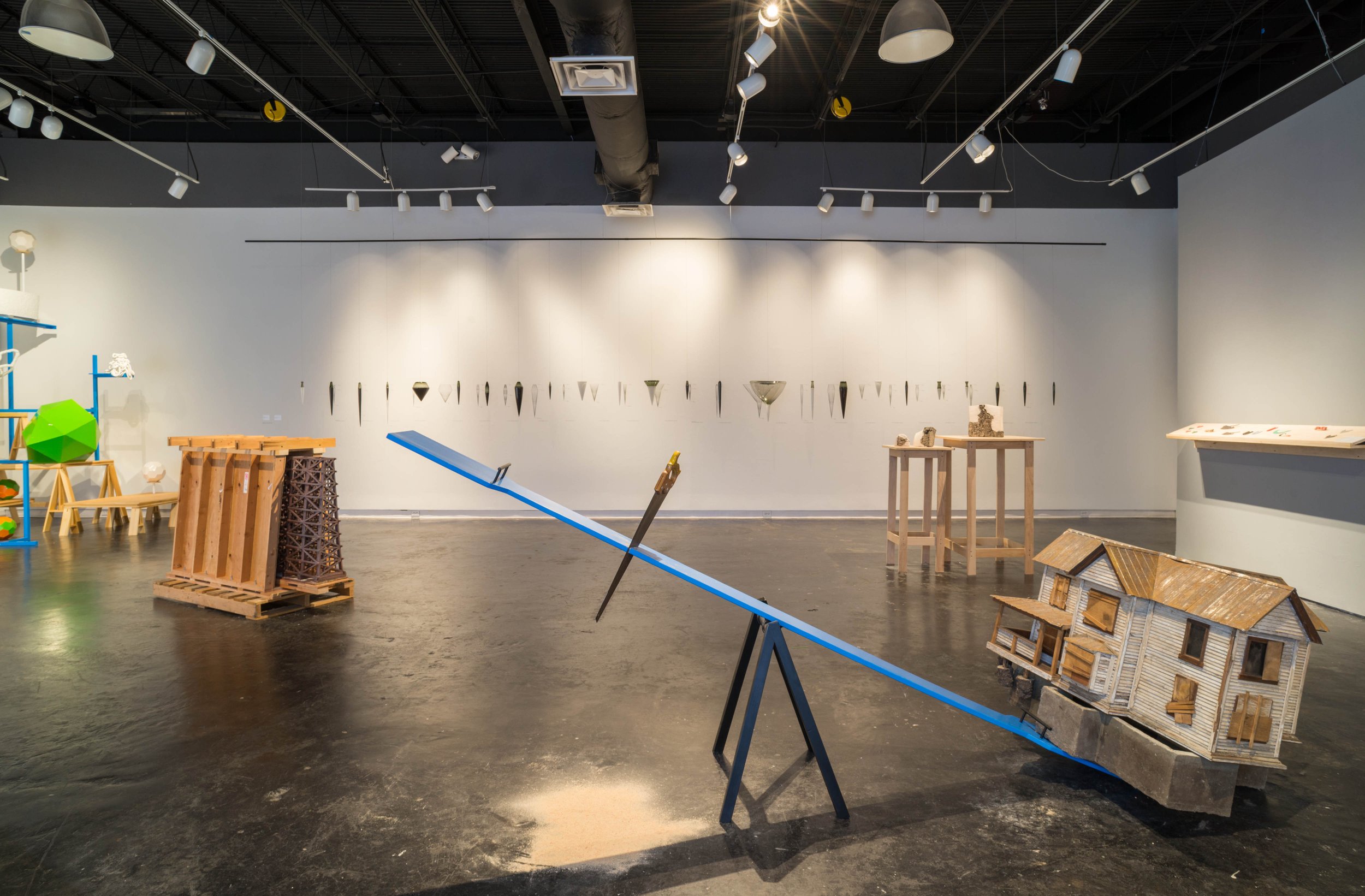
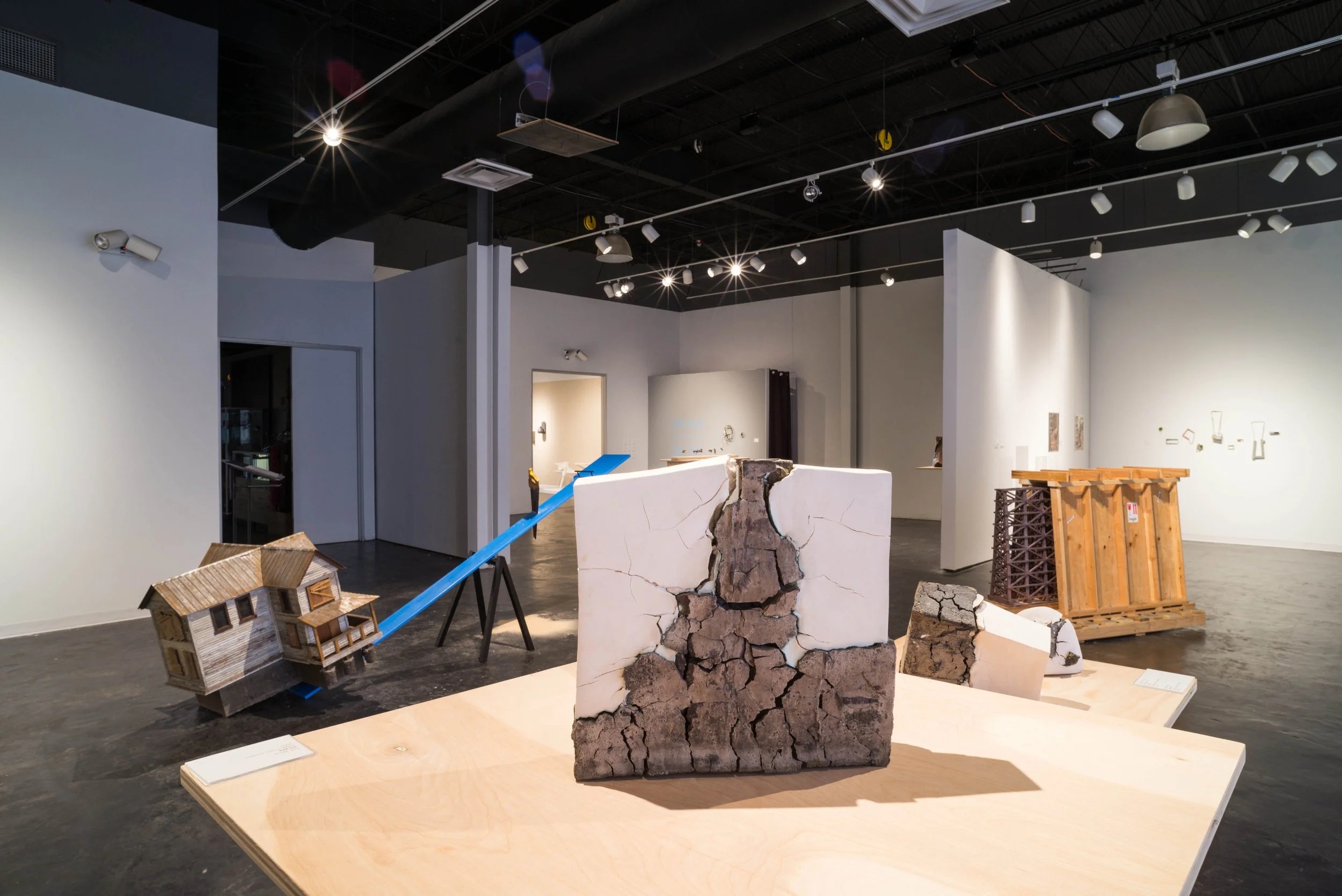
Taking its inspiration from the good, bad, and ugly of Houston’s ever-expanding sprawl, this exhibition featured 16 artists from across the country whose work contends with the urban landscape. The show was conceived in the shadow of the Great Recession, and its influence, and the housing crisis that spurred it, is evident in the works on view. Houston, however, was largely impervious to the worst of the Great Recession, and there was a sense of urgency at the time that the city needed to contend with its future livability. To that end, SPRAWL also served as a venue for a three-month long speaker series engaging activists and policy makers, urban planners, artists, and designers in imagining new futures for the city.
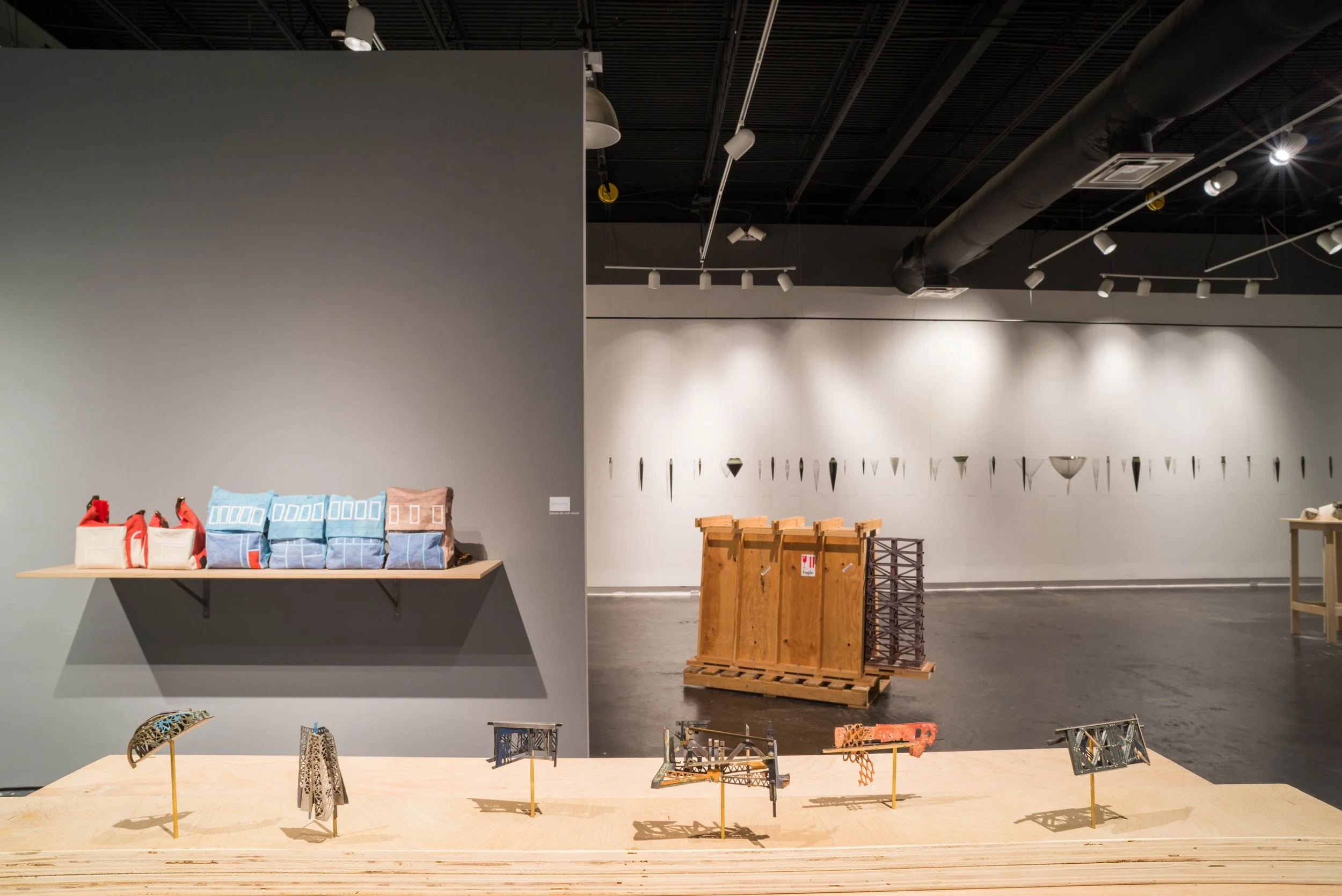
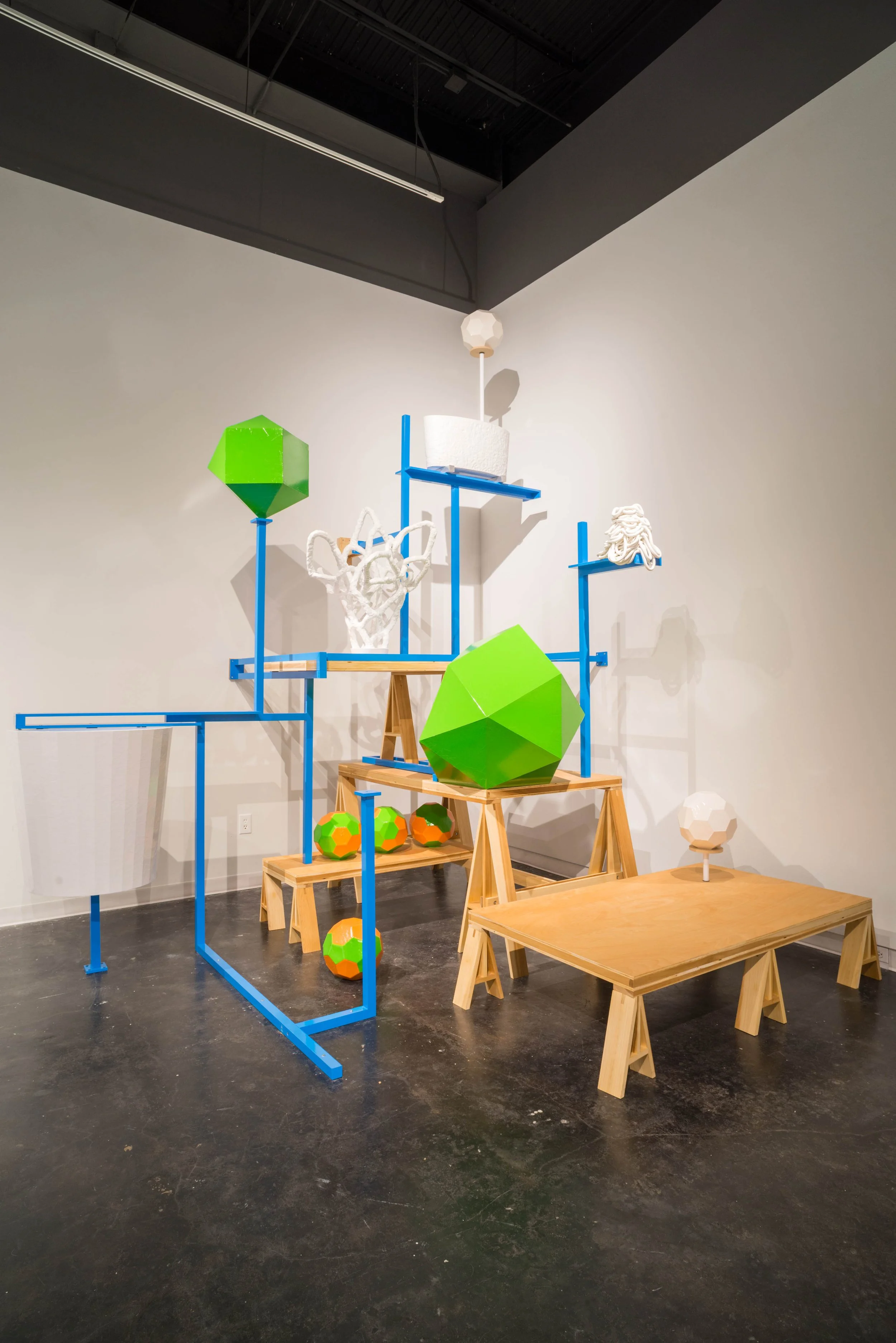
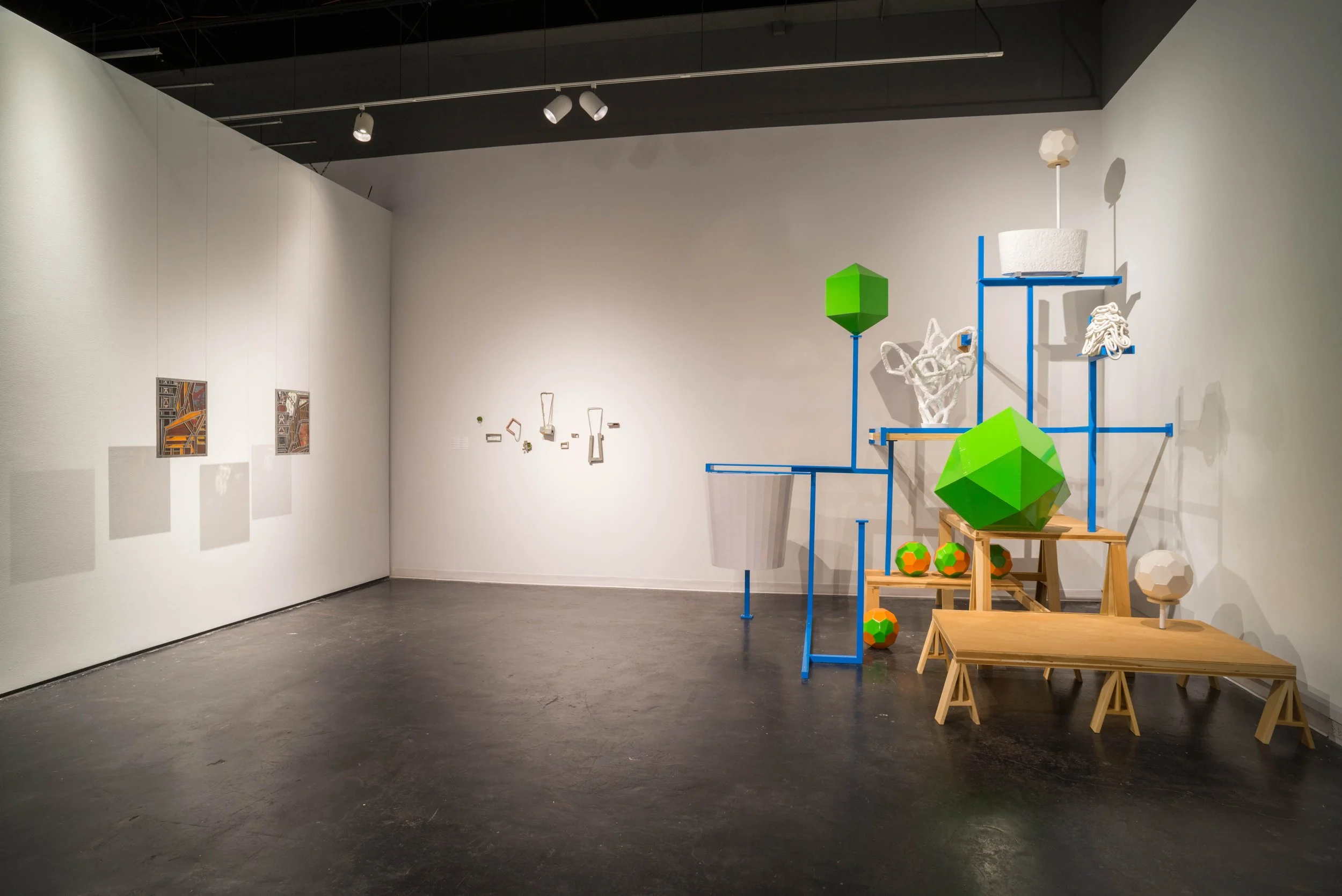
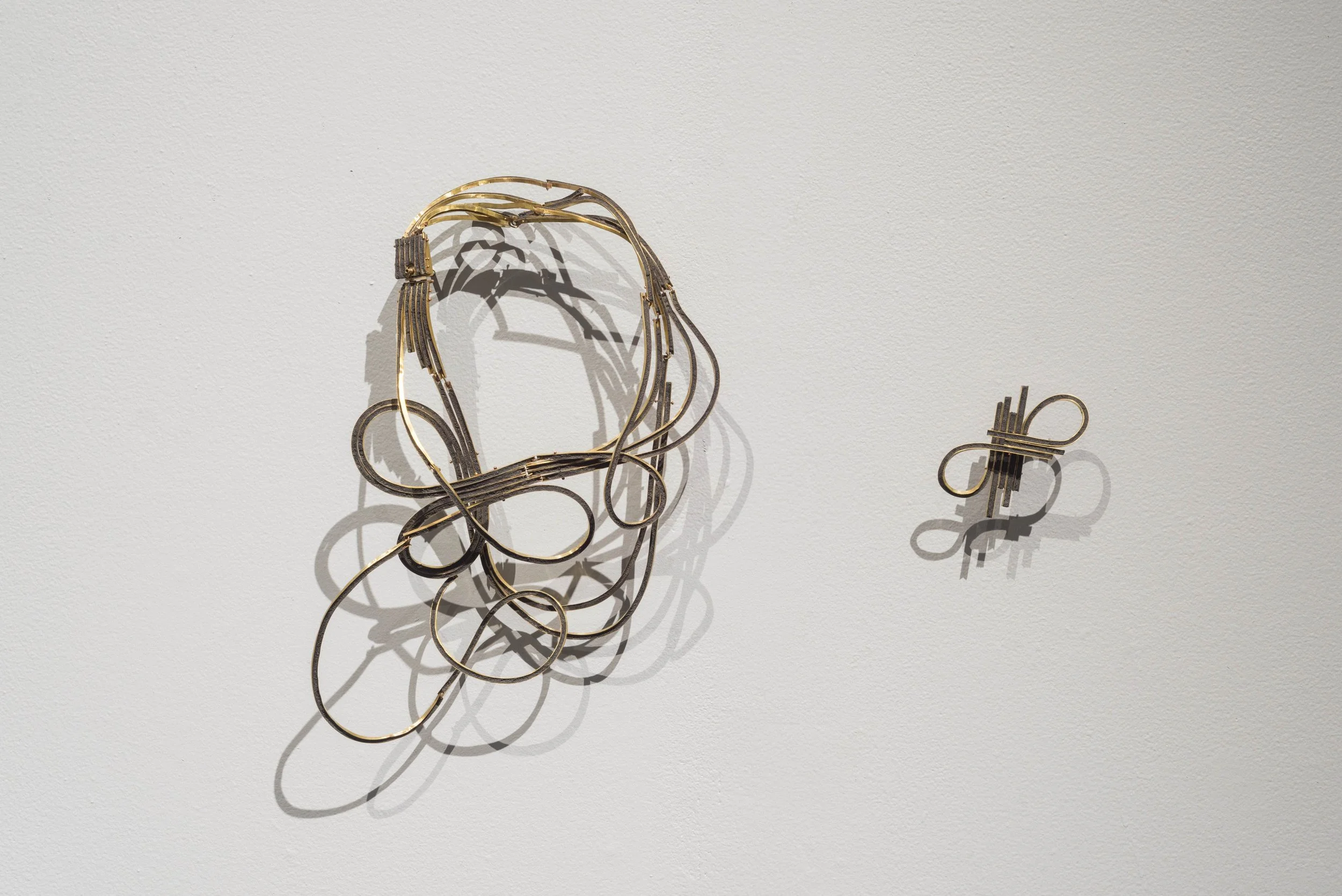
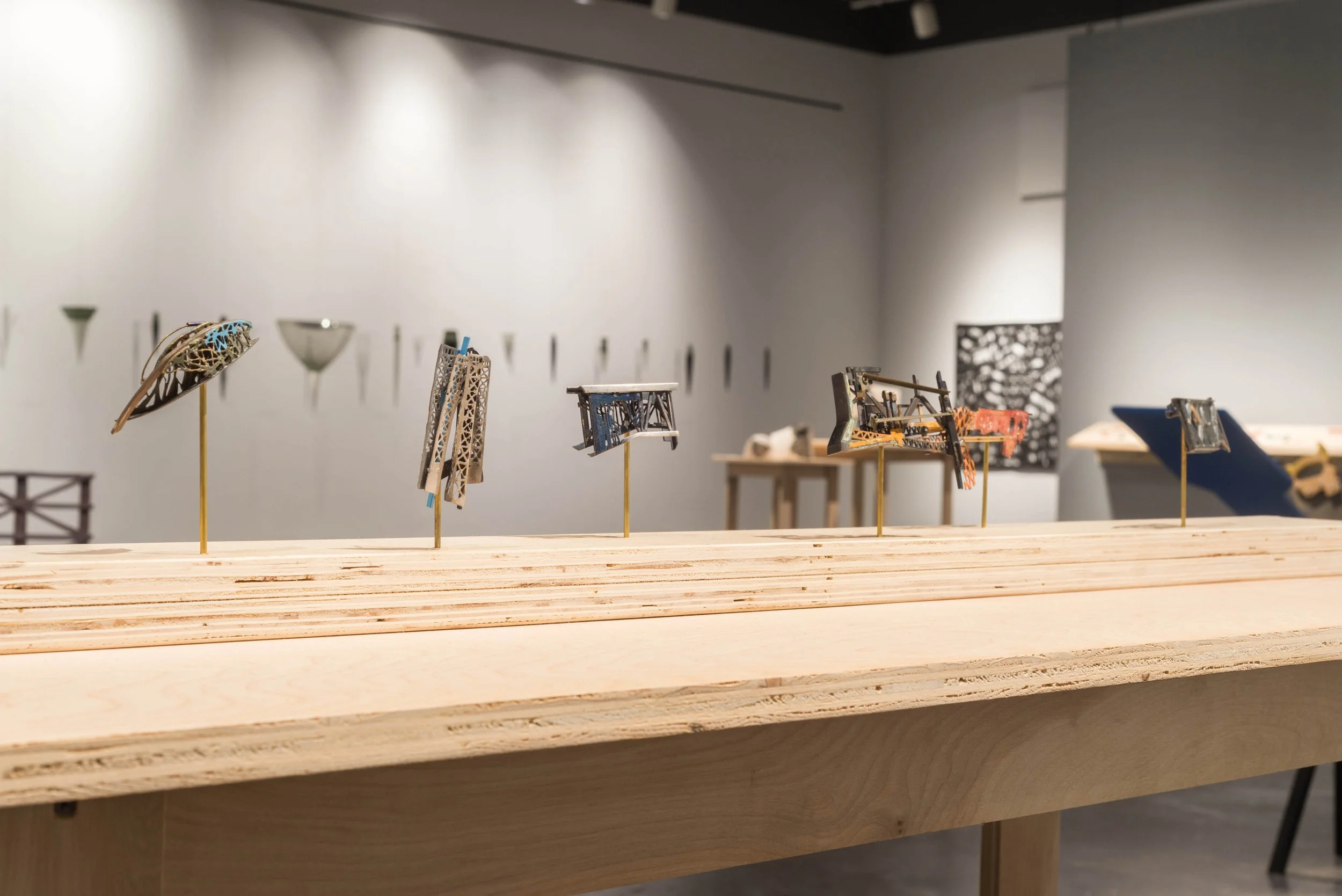
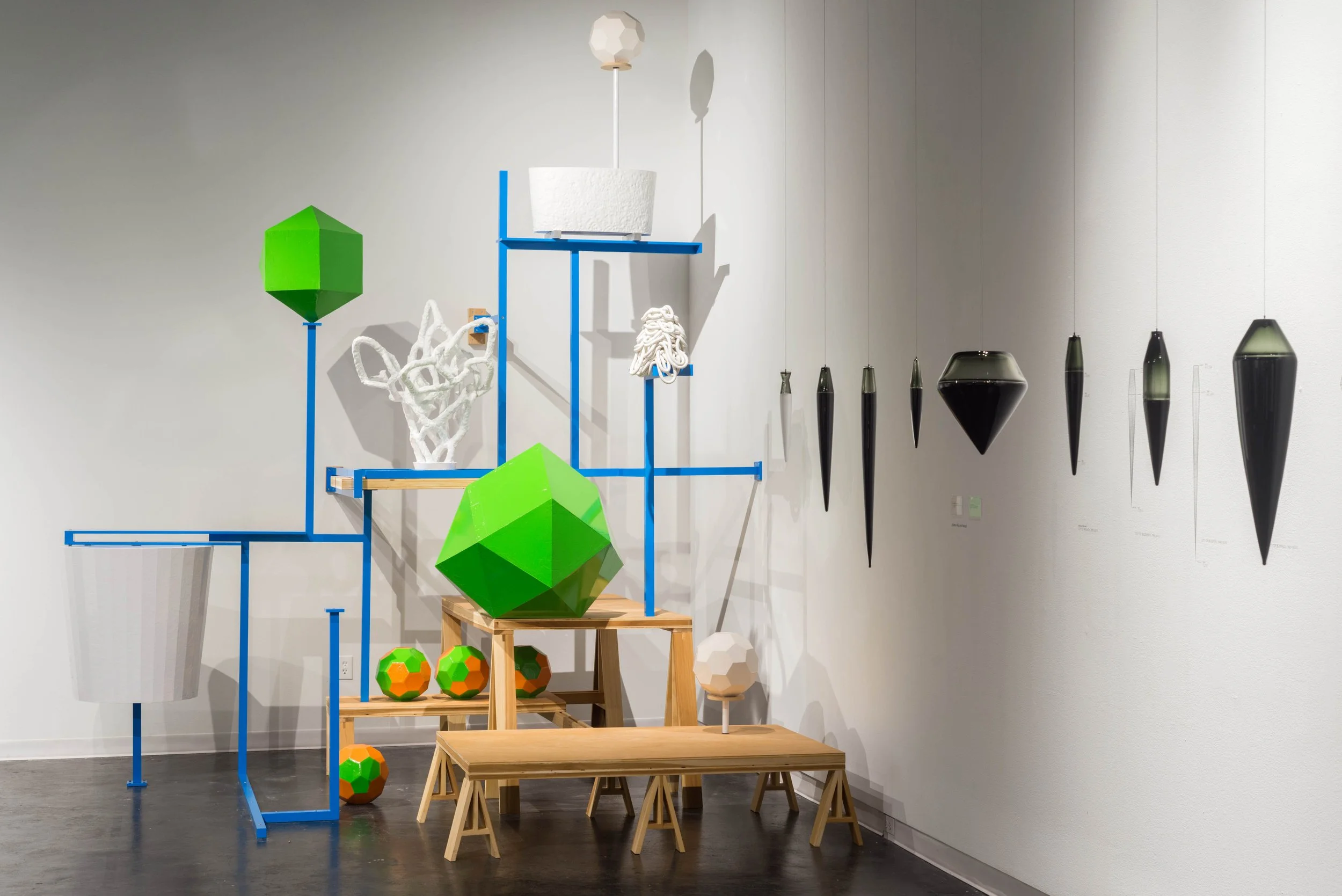
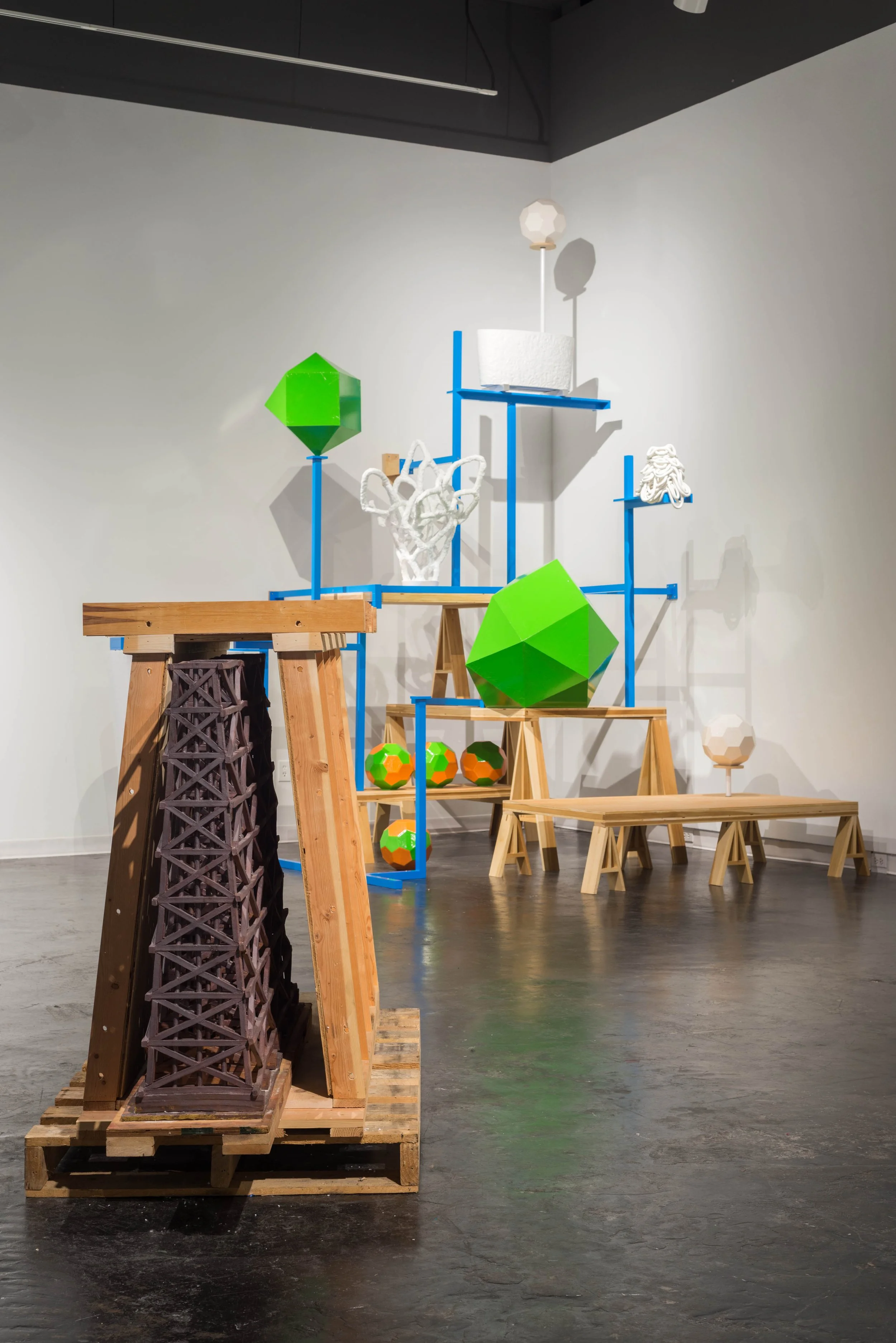
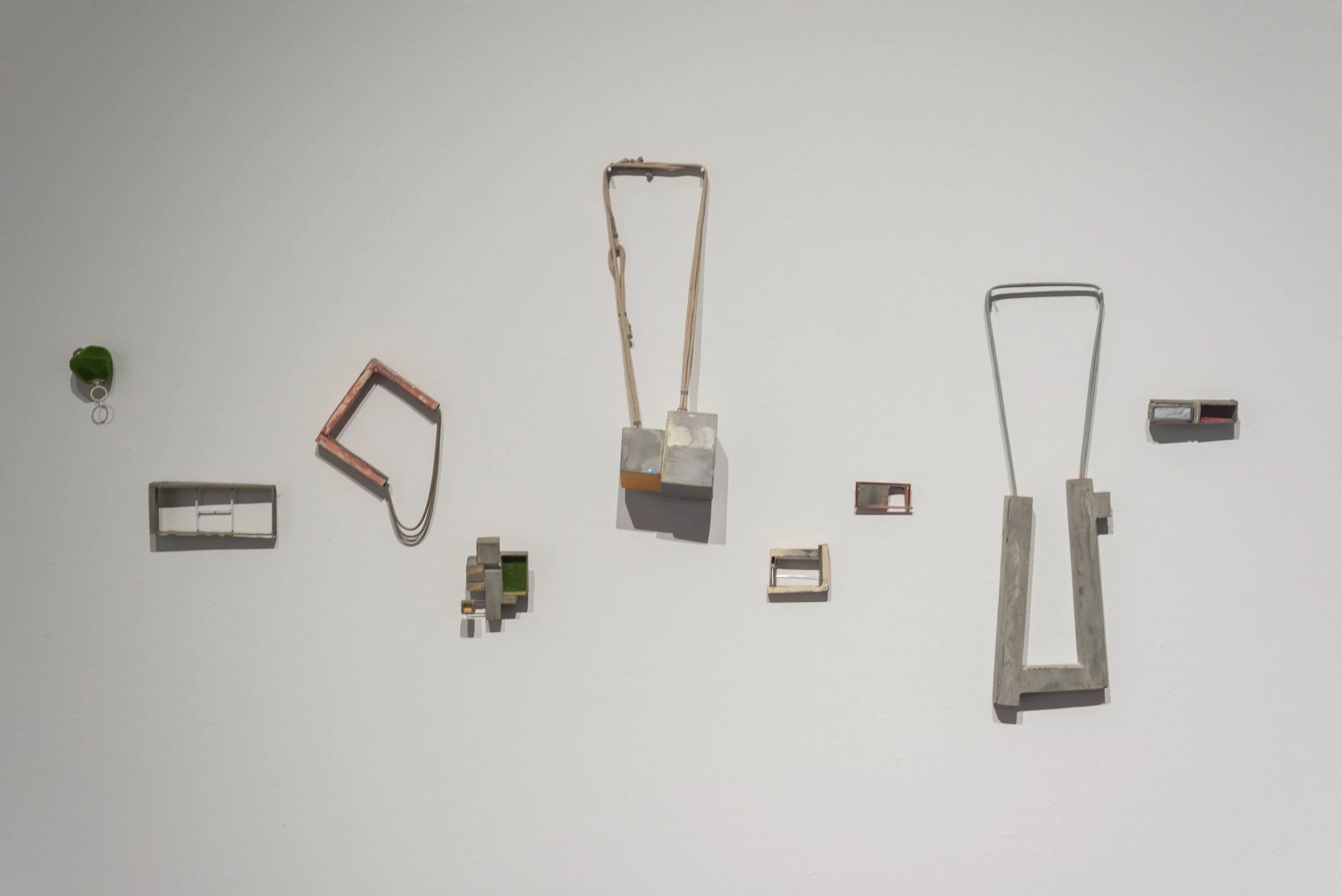
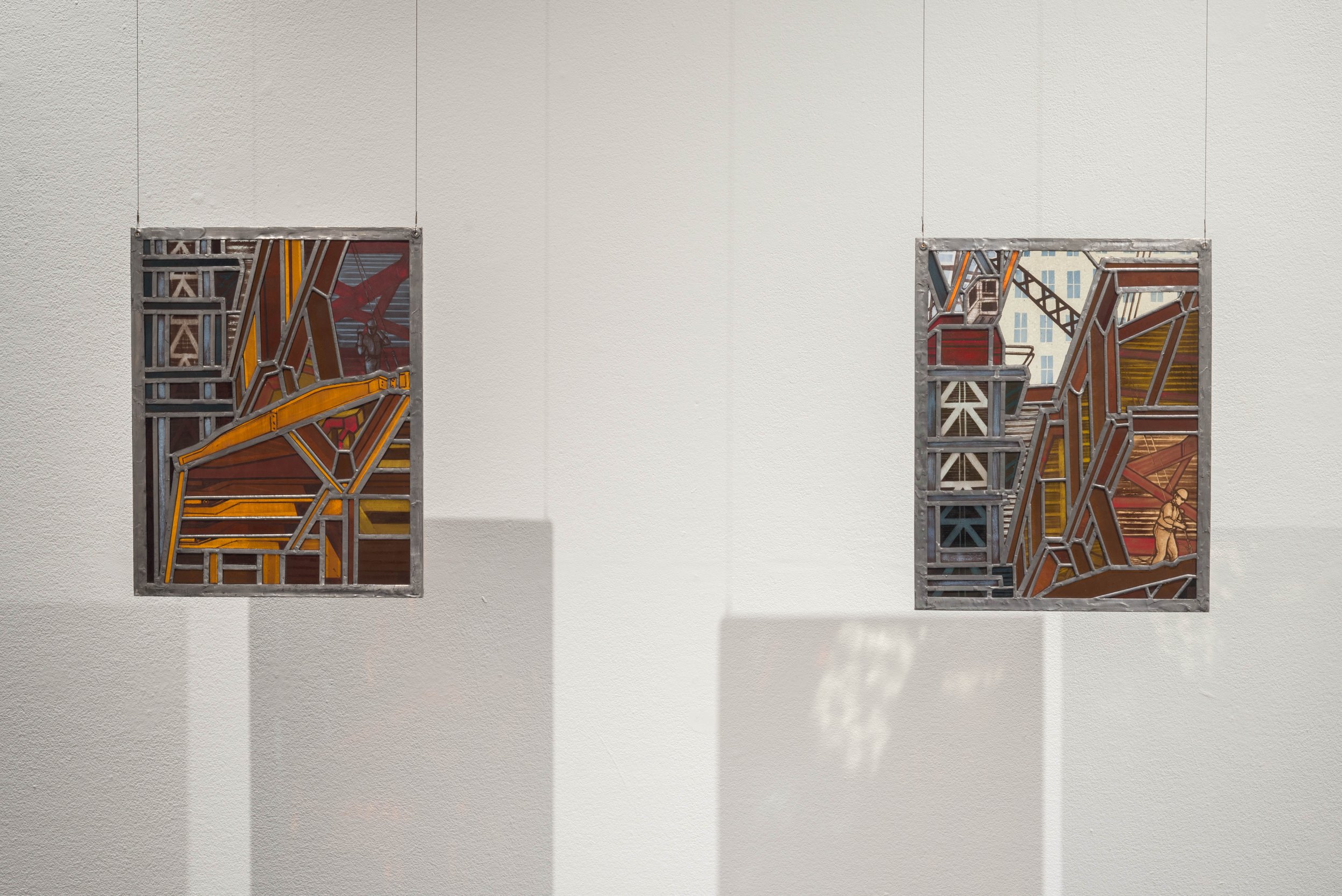
Several artists in the show drew their references directly from urban infrastructure: Andrea Zeuner’s Superhighway Neckpiece transformed the highway interchange into wearable form; Nancy Nicholson created luminous stained glass depictions of construction sites, and Dylan Beck’s Yesterday’s Tomorrow perfectly encapsulated the postmodern aesthetic that defines Houston architecture.
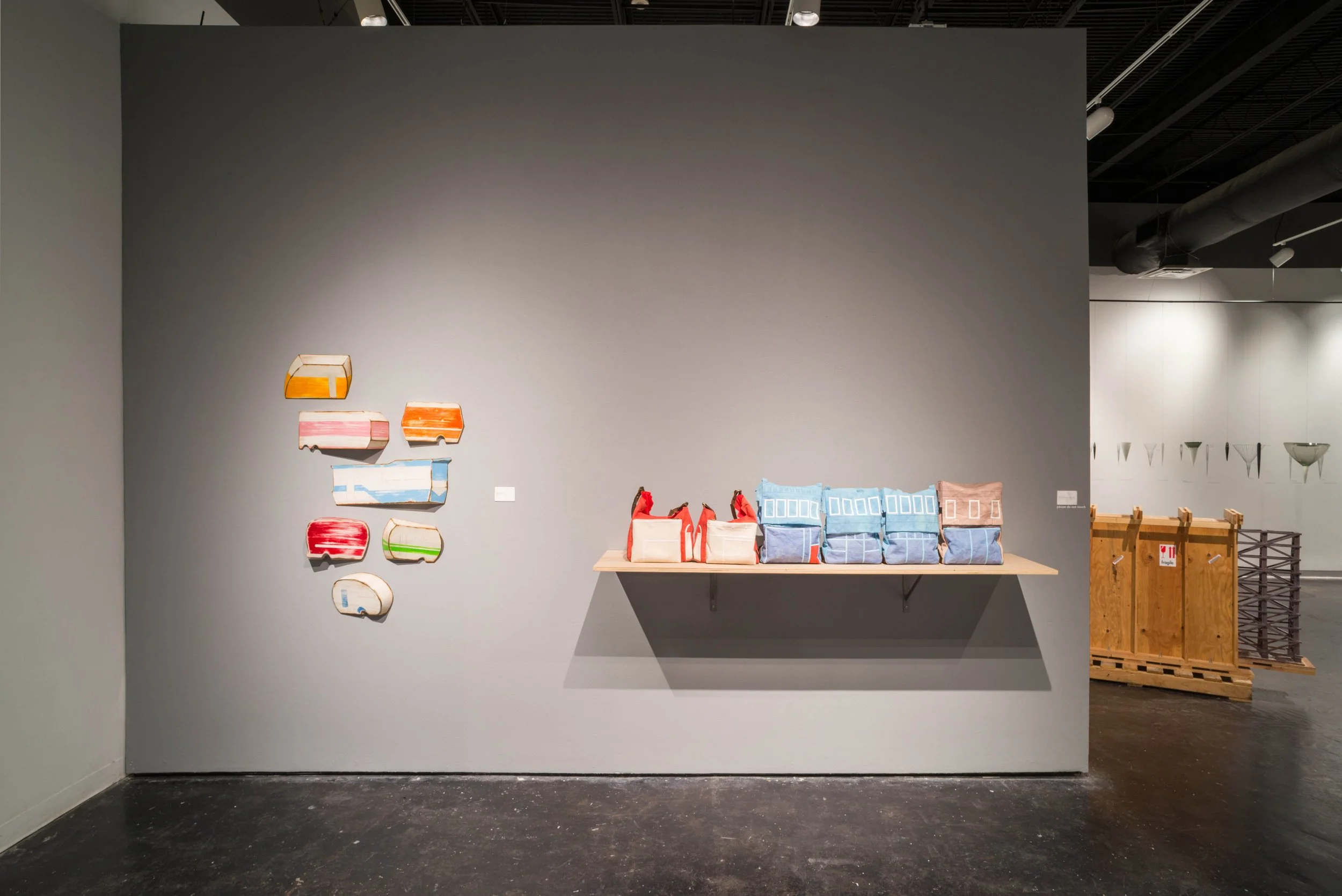
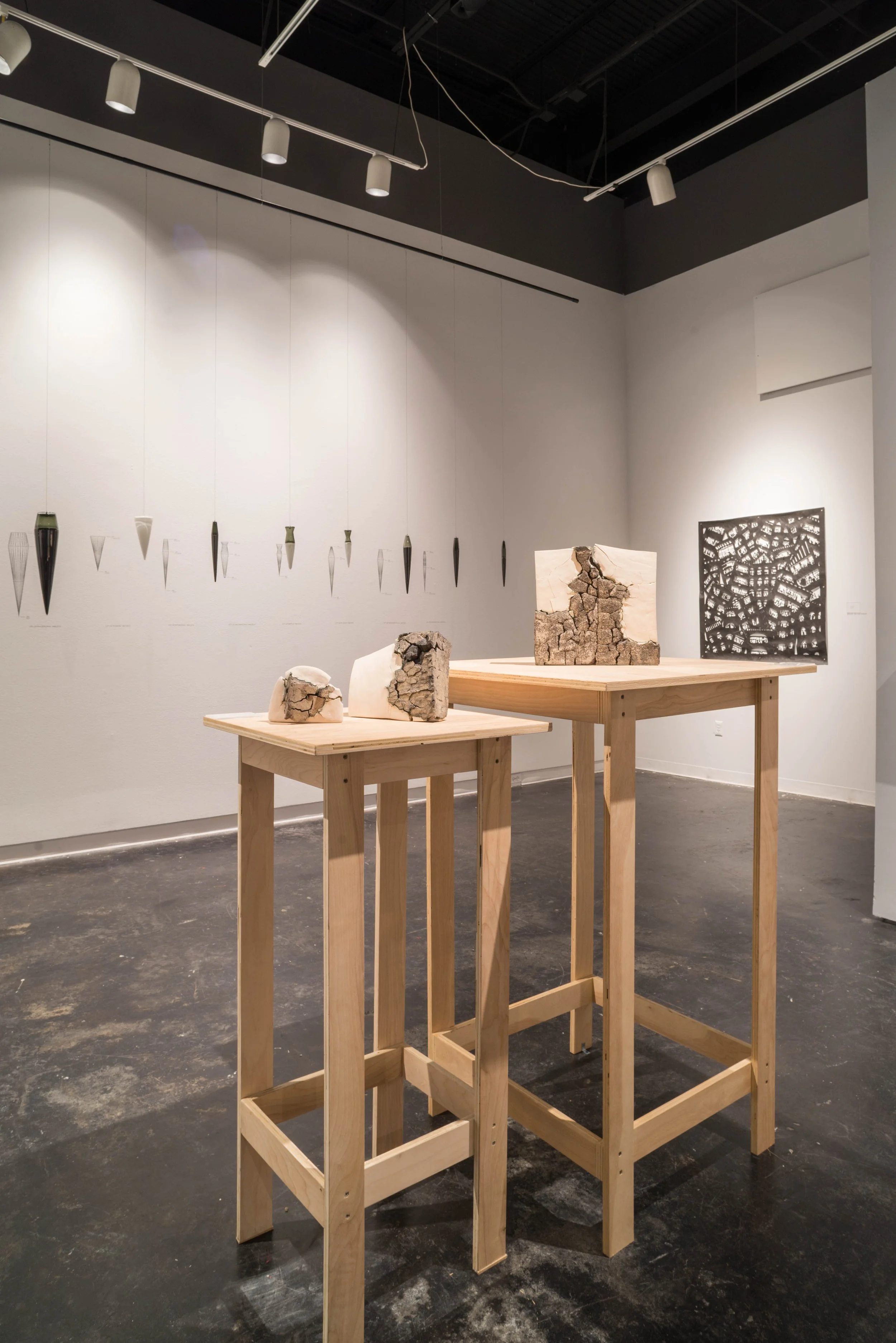
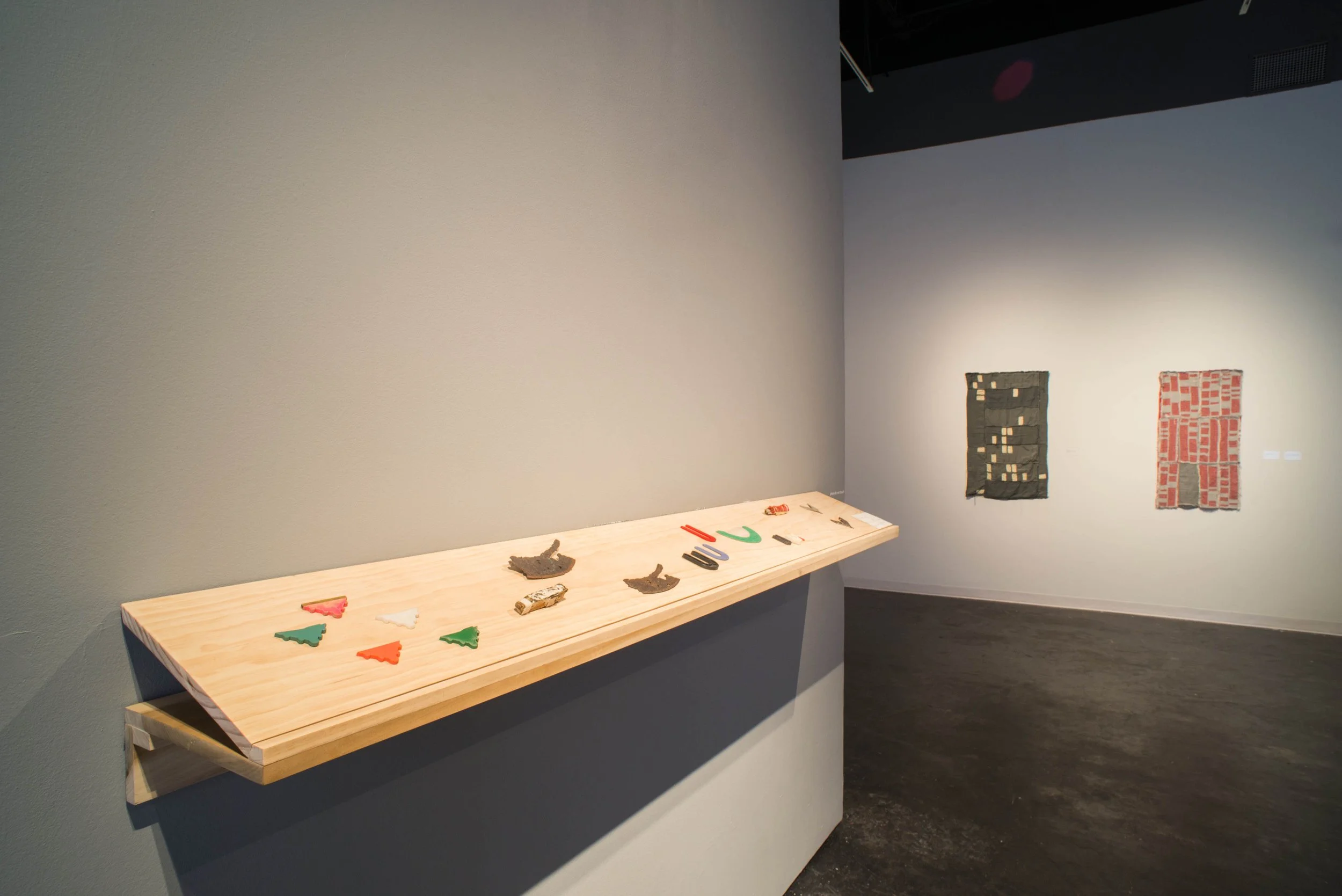
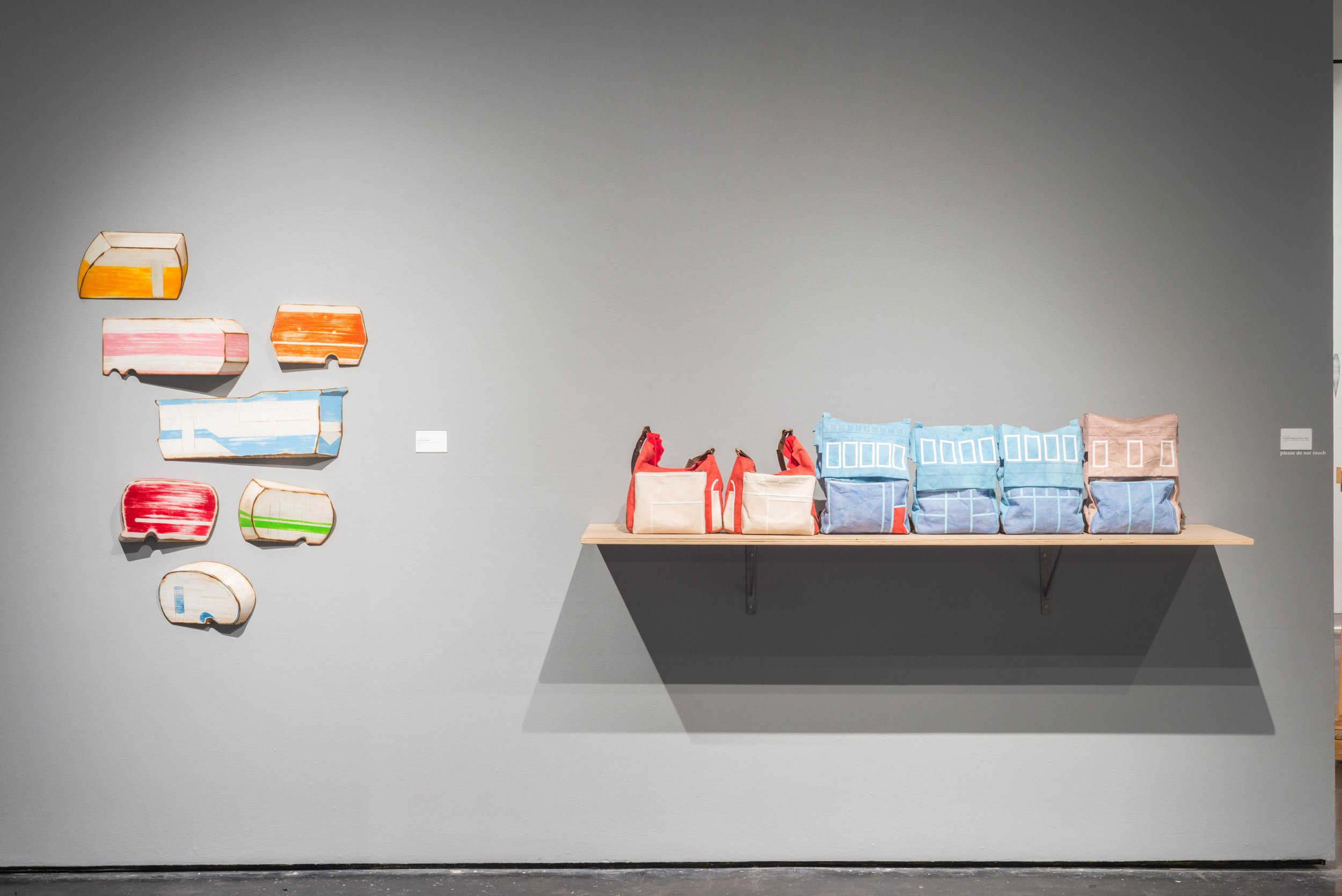
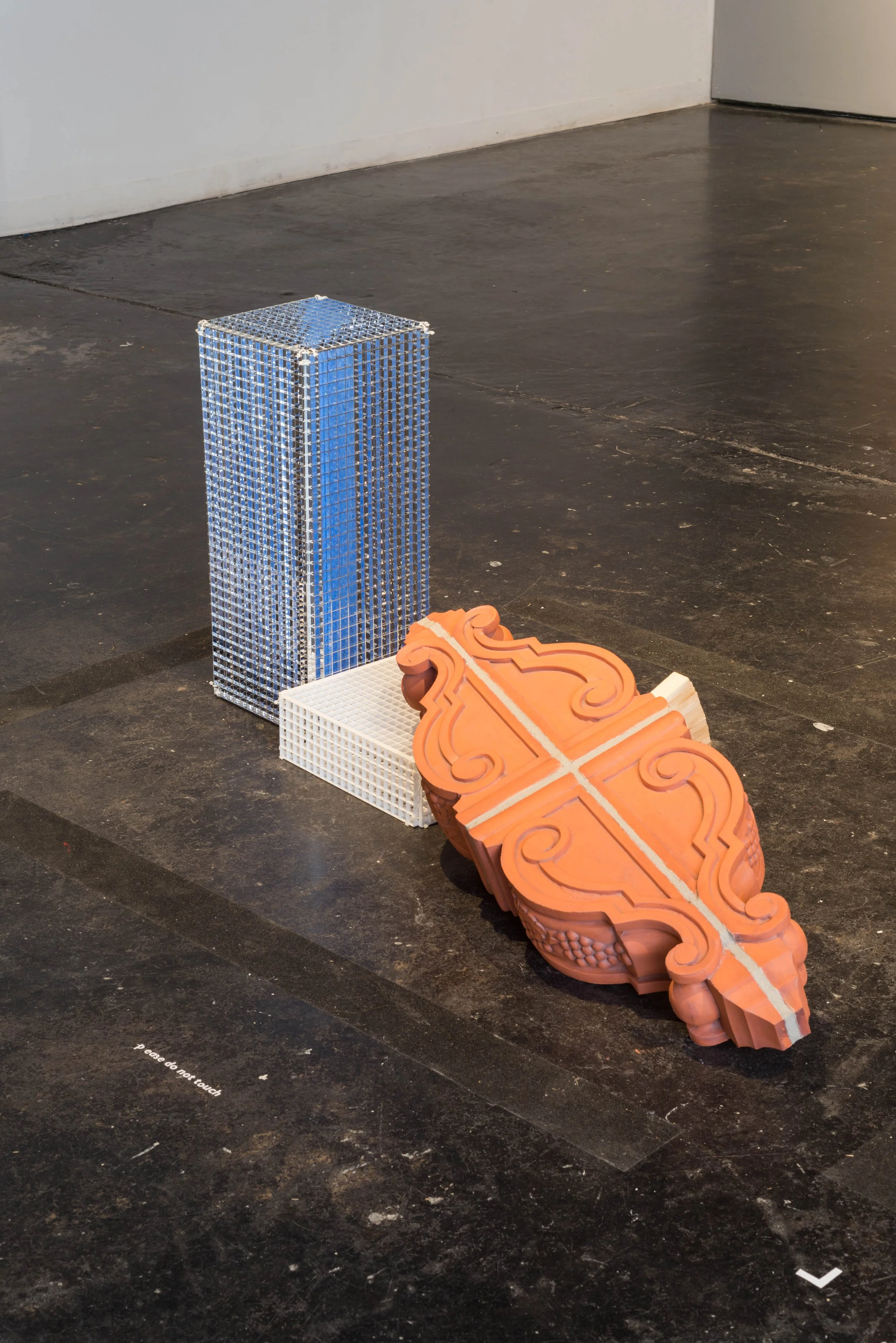
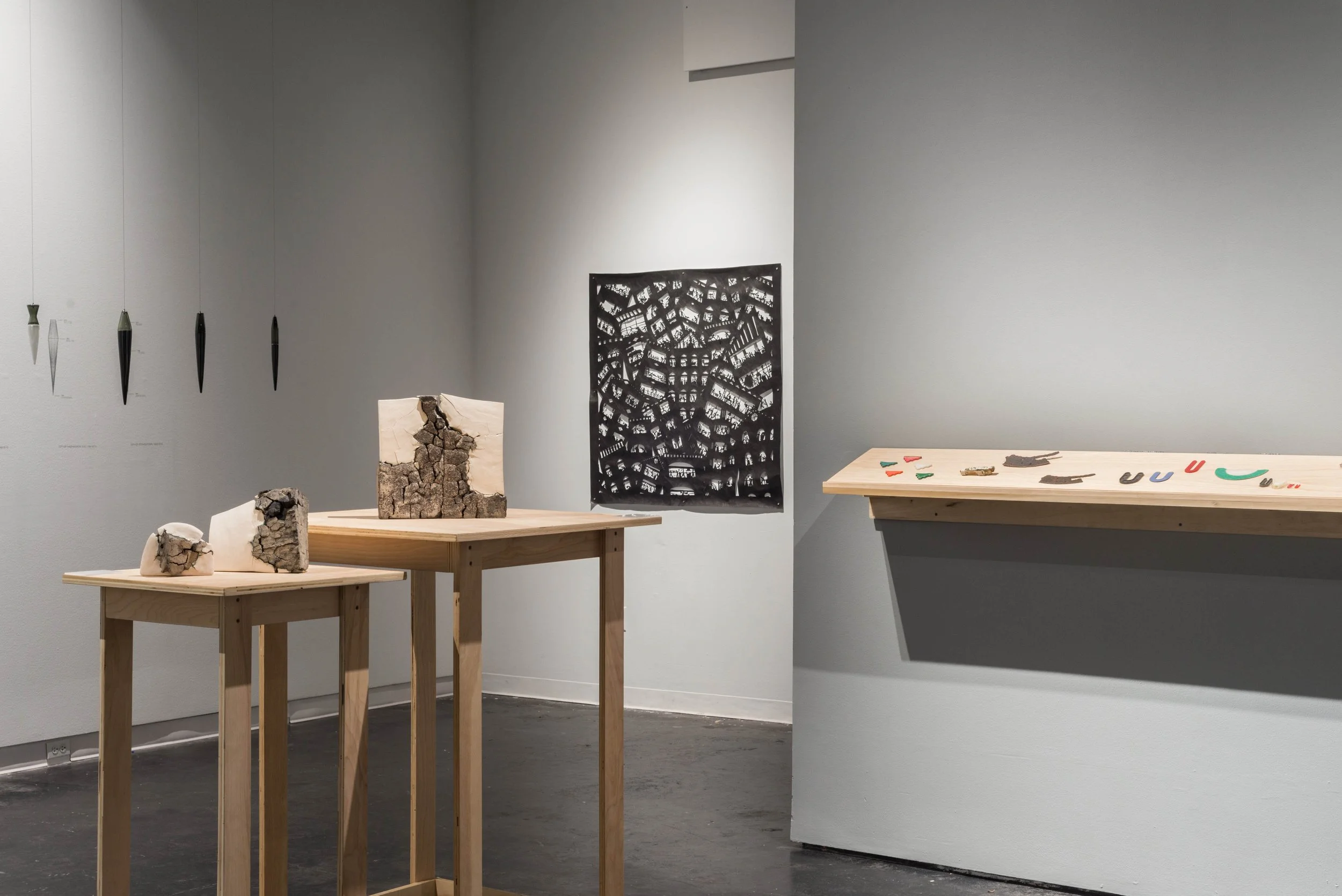
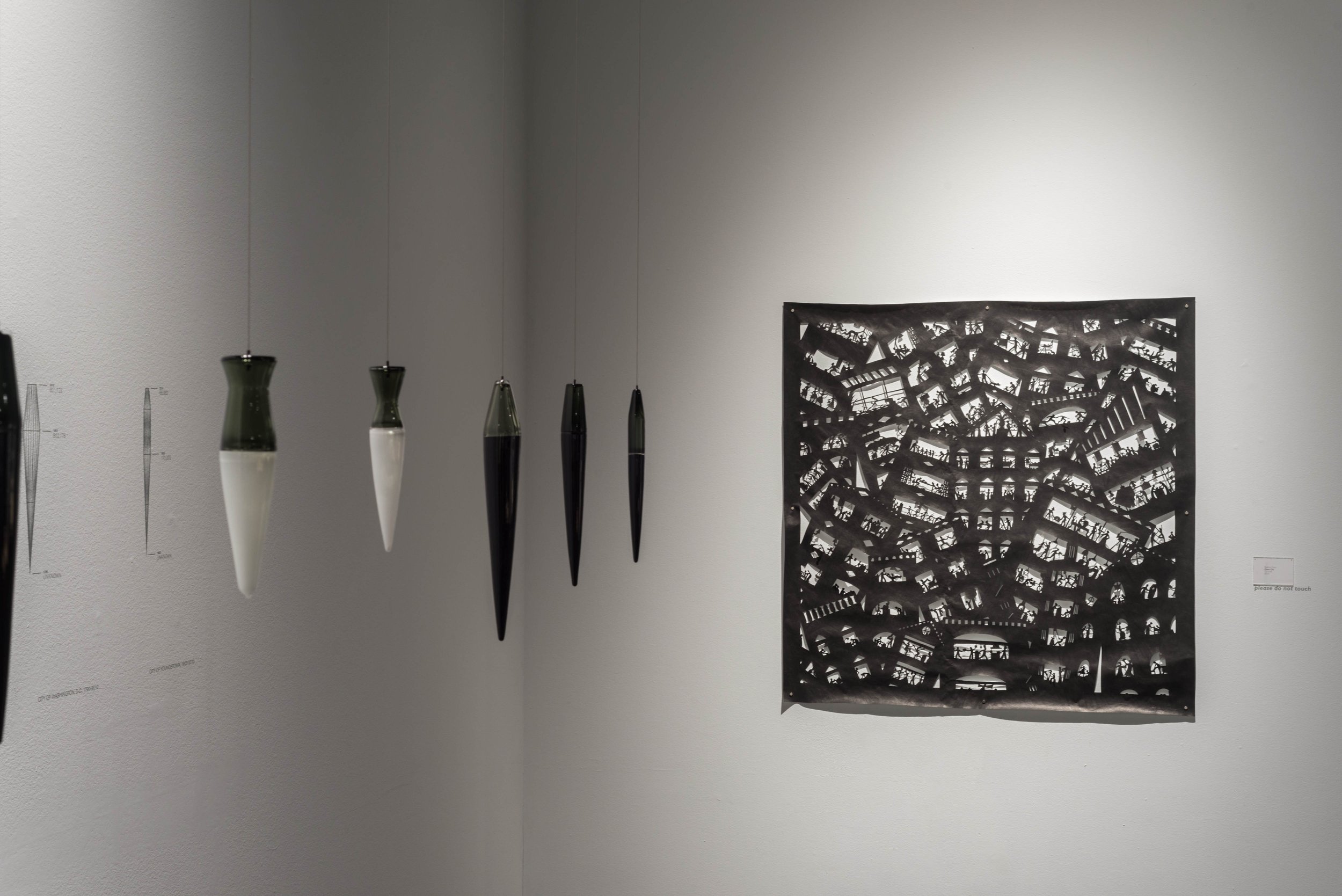
Others took inspiration from human interaction with the city, its detritus, and rubble. Chaos City, a papercut by Béatrice Coron, captured the energy of population density, while Ashley Wahba’s collection of found objects presented cast-offs as jewels to be contemplated. Demitra Thomloudis and Julia Gabriel made the city wearable in angular concrete constructions and backpacks that mimicked particular buildings.
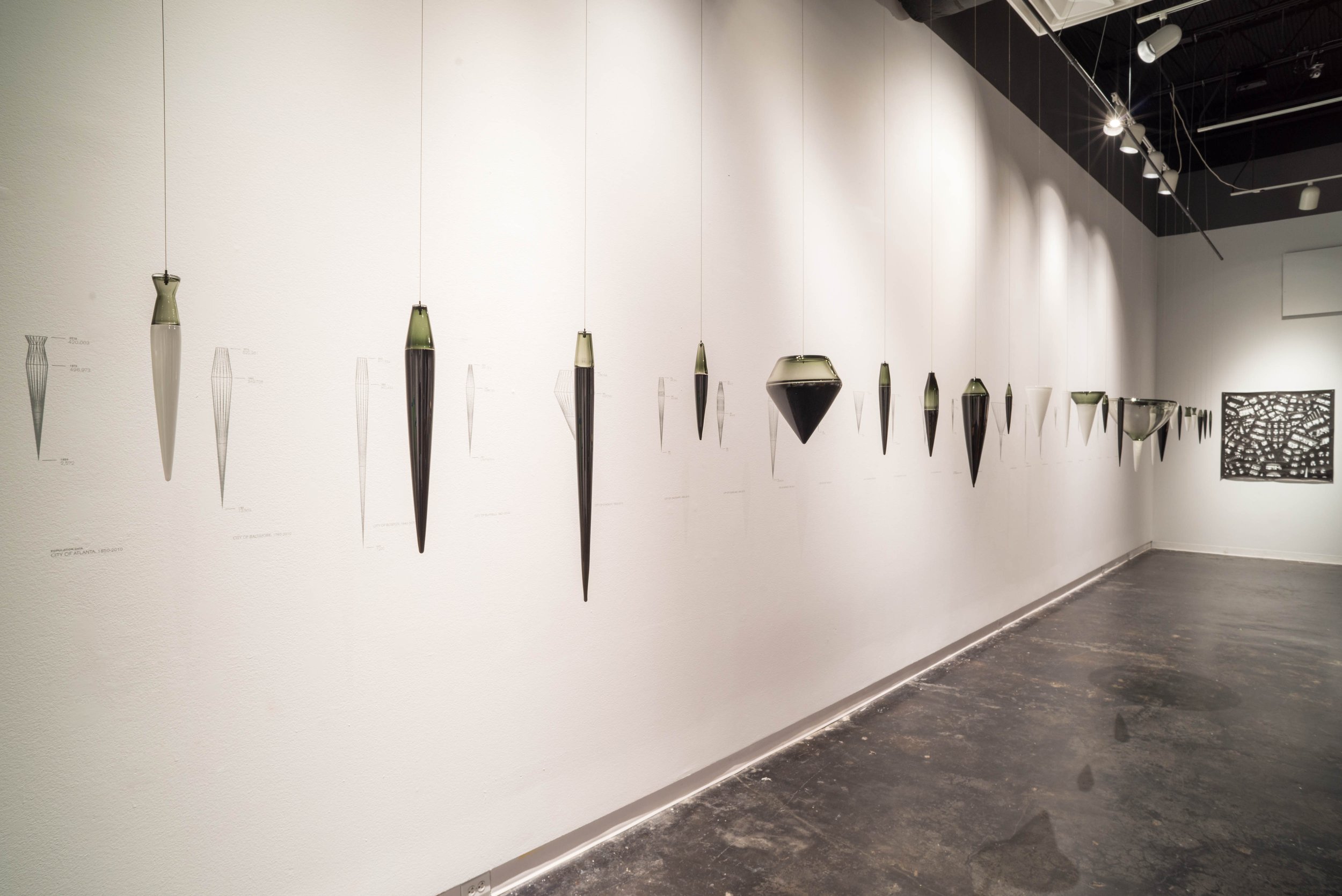
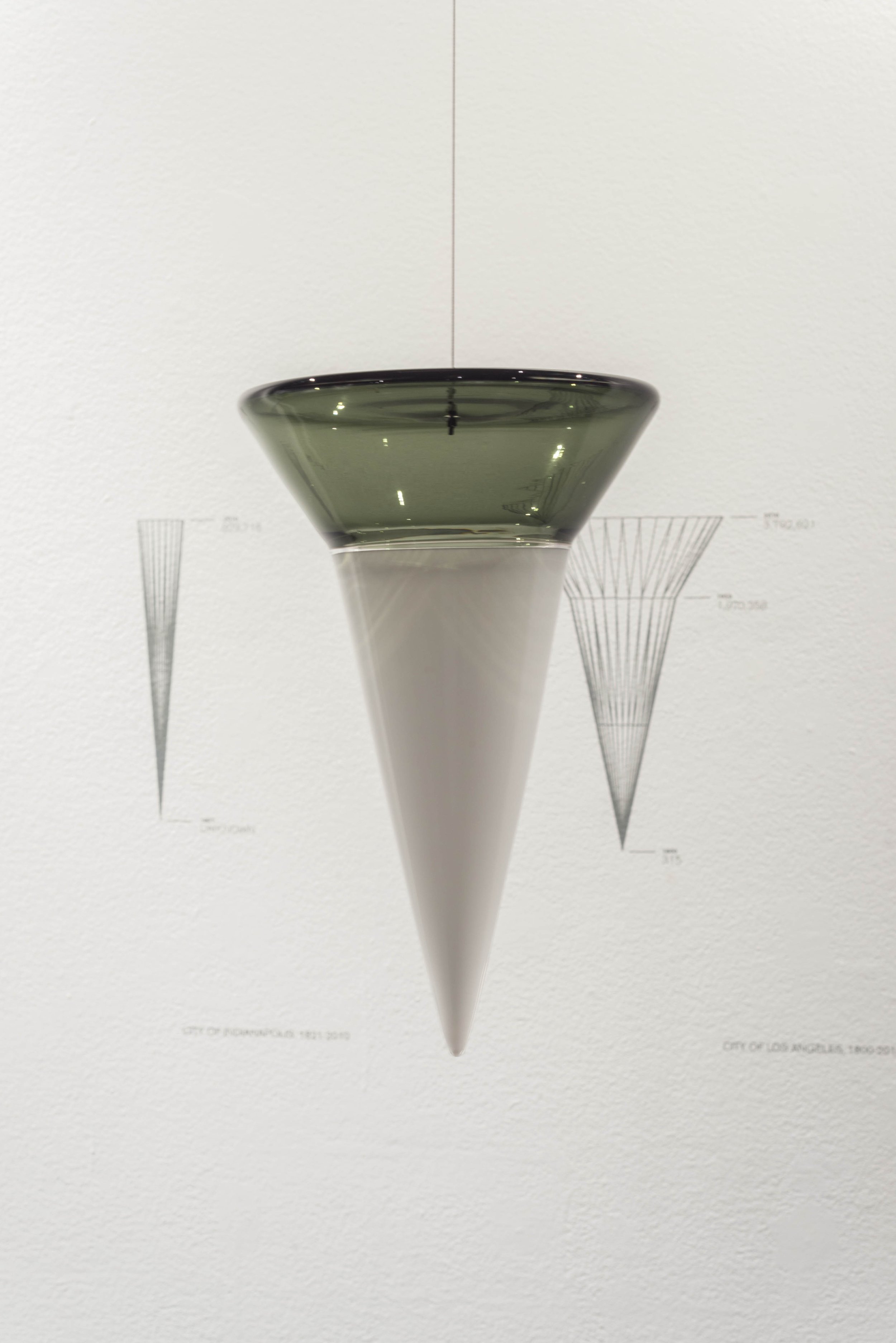
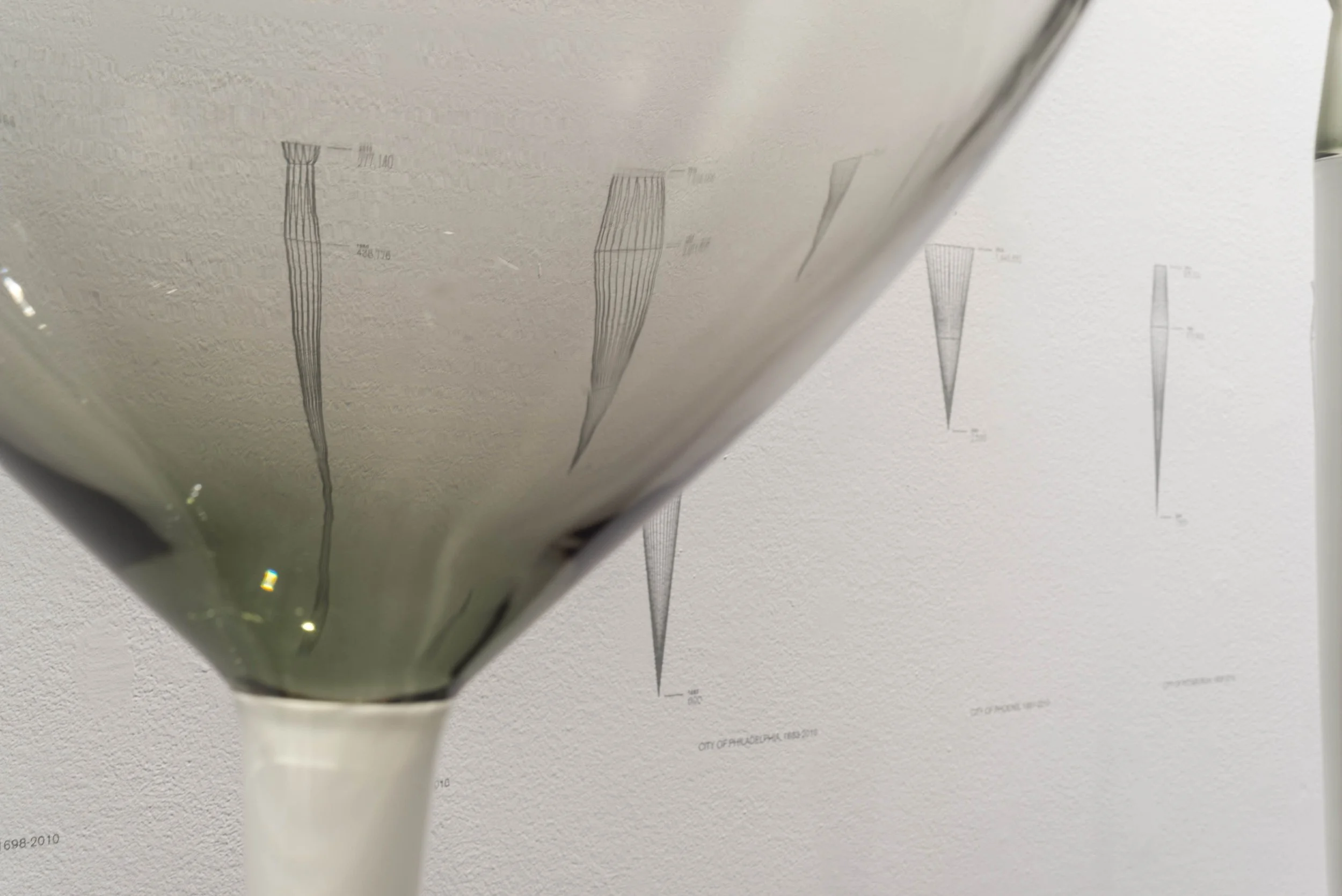
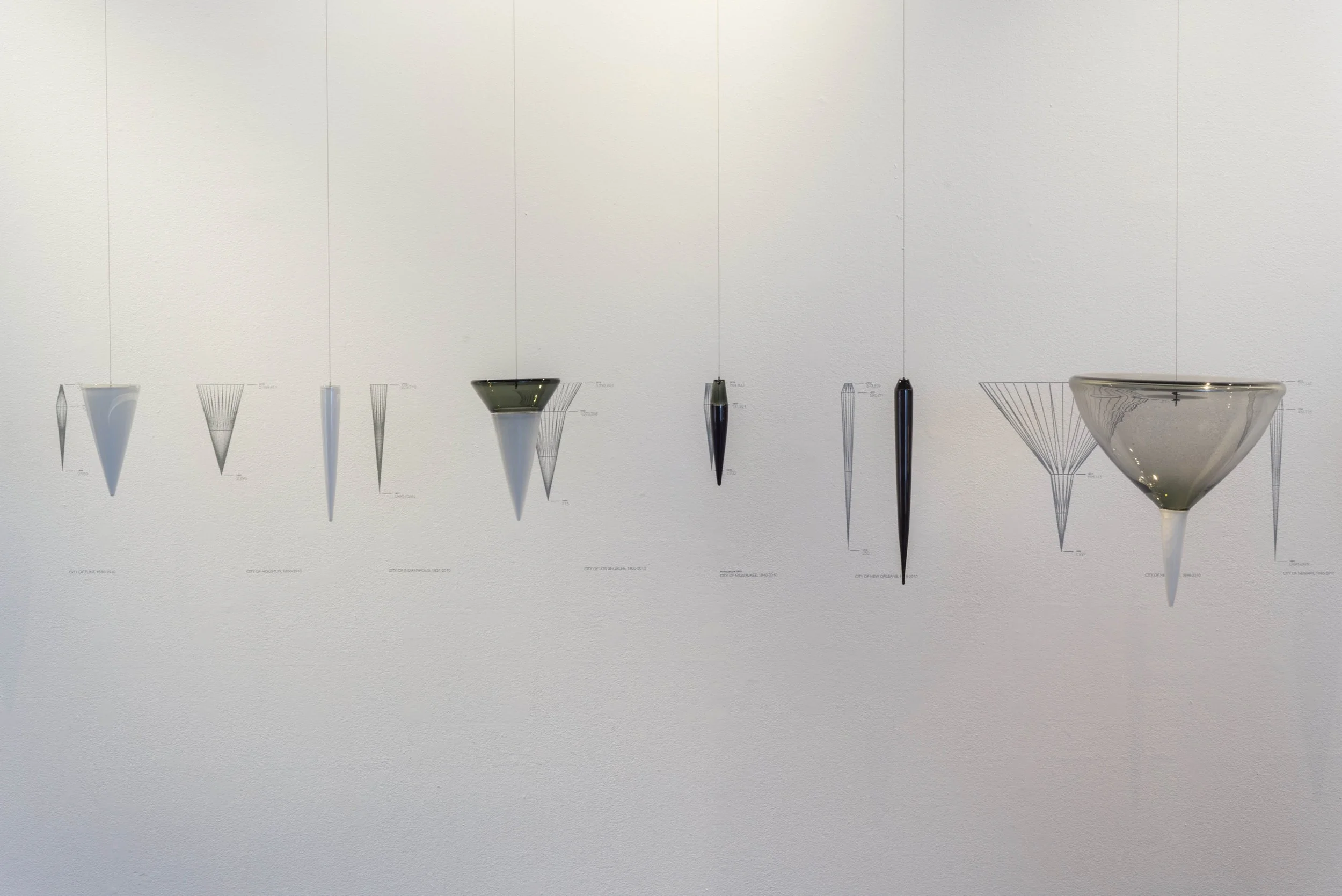
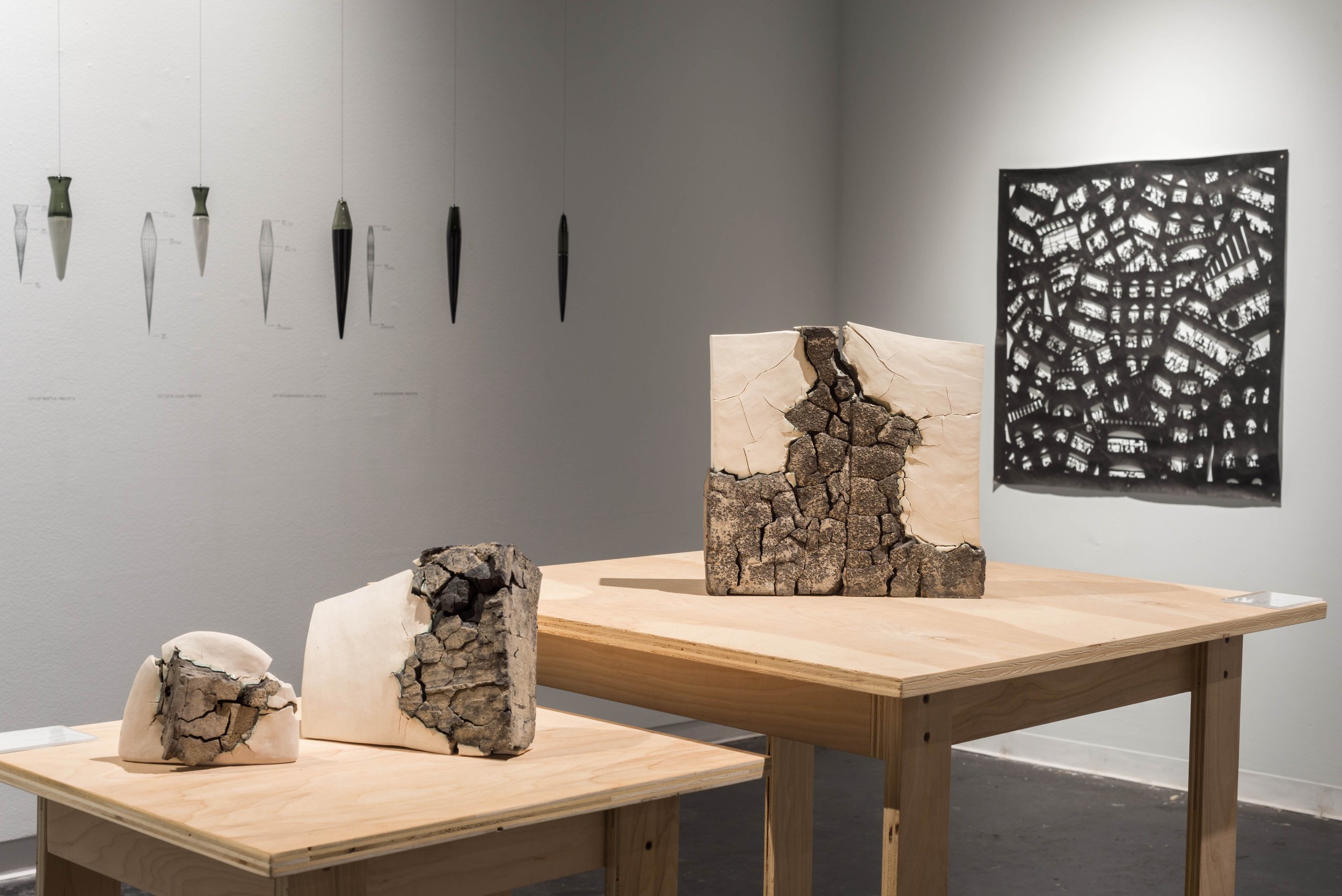
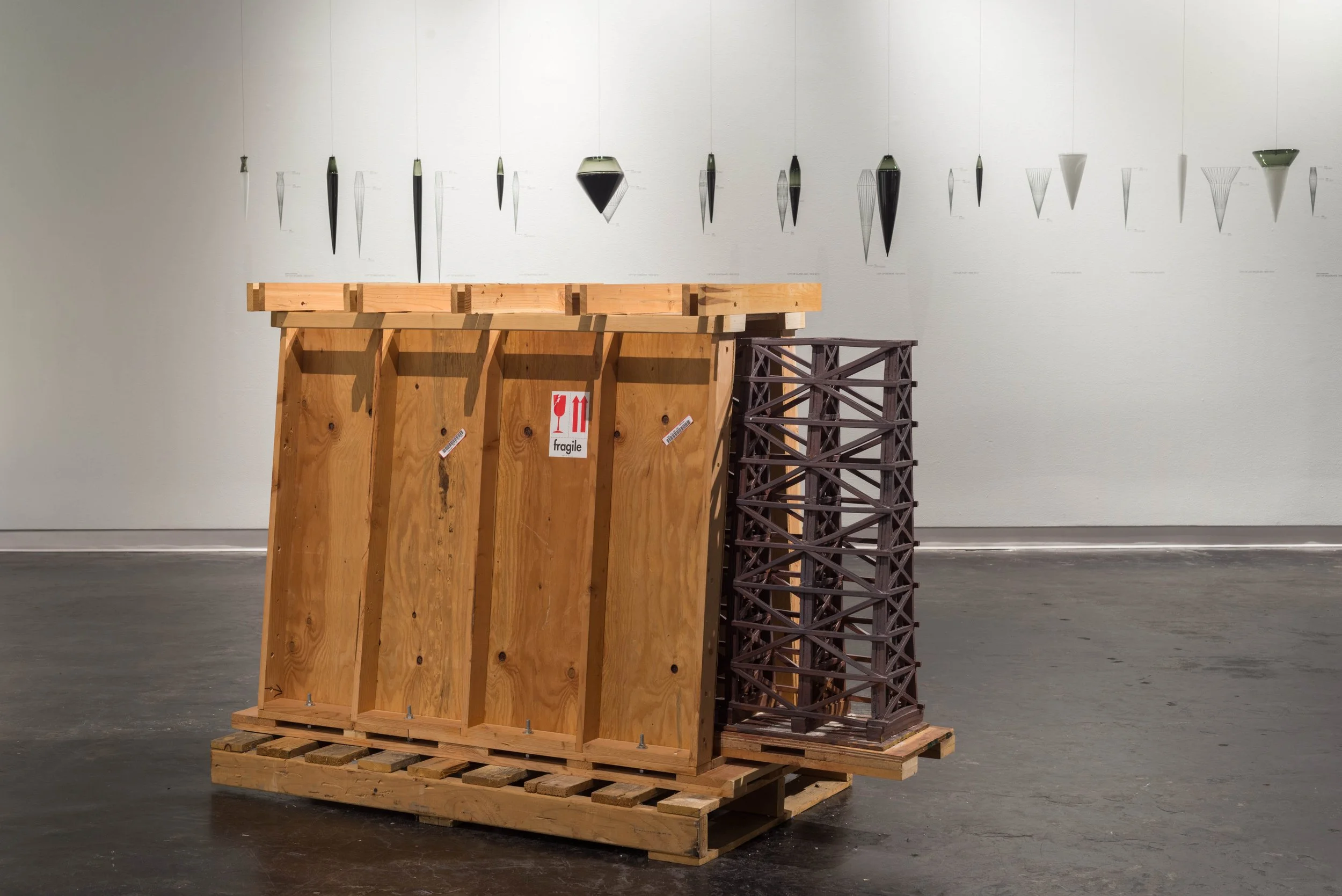
Paul Sacaridiz’s An Incomplete Articulation seemed to personify the the organic development of sprawl and Houston’s lack of zoning, while Norwood Viviano’s Cities: Departures and Deviations (now in the collection of the Museum of Fine Arts, Houston) was a methodical look at population change in American cities from their founding to the present day.
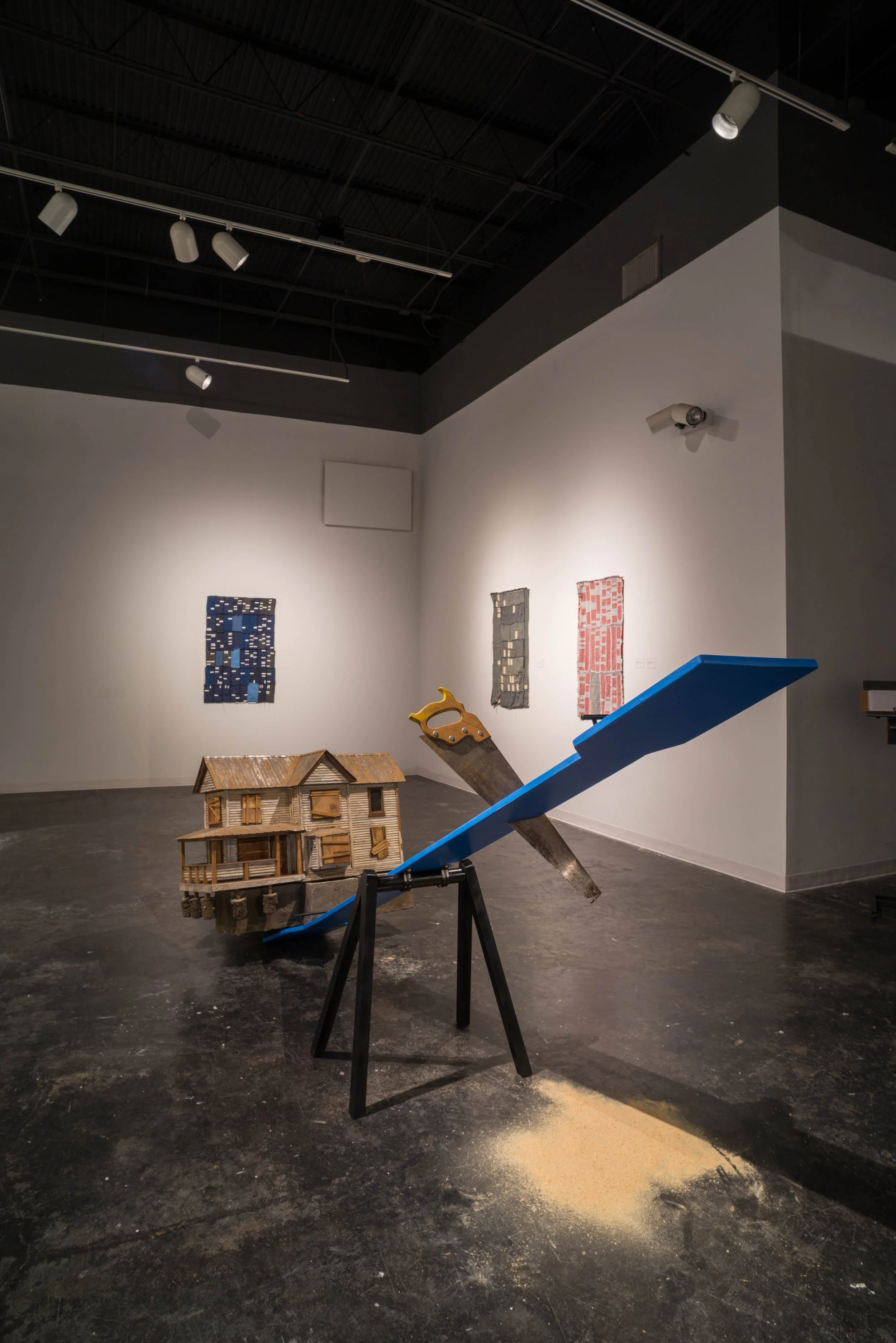
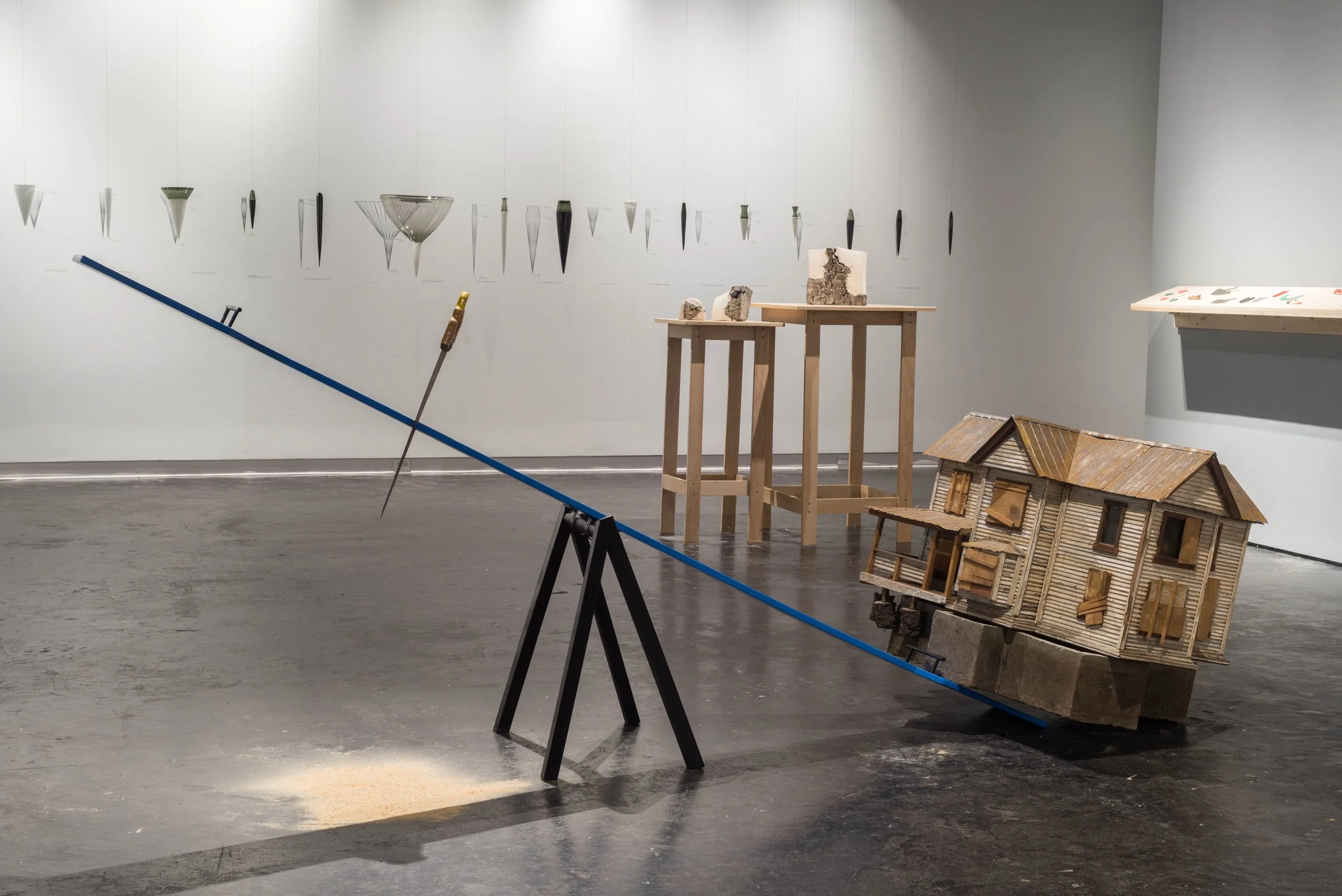
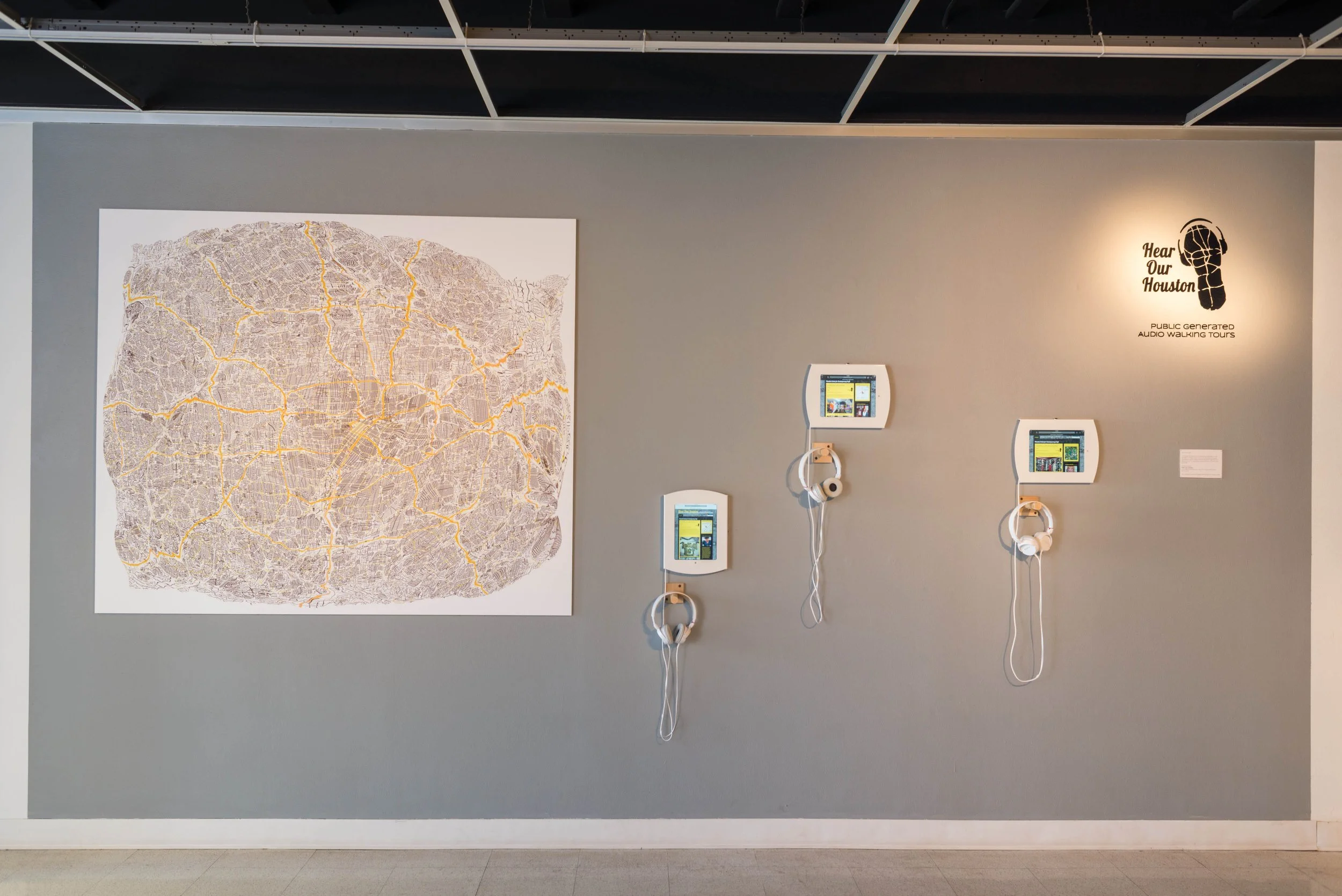
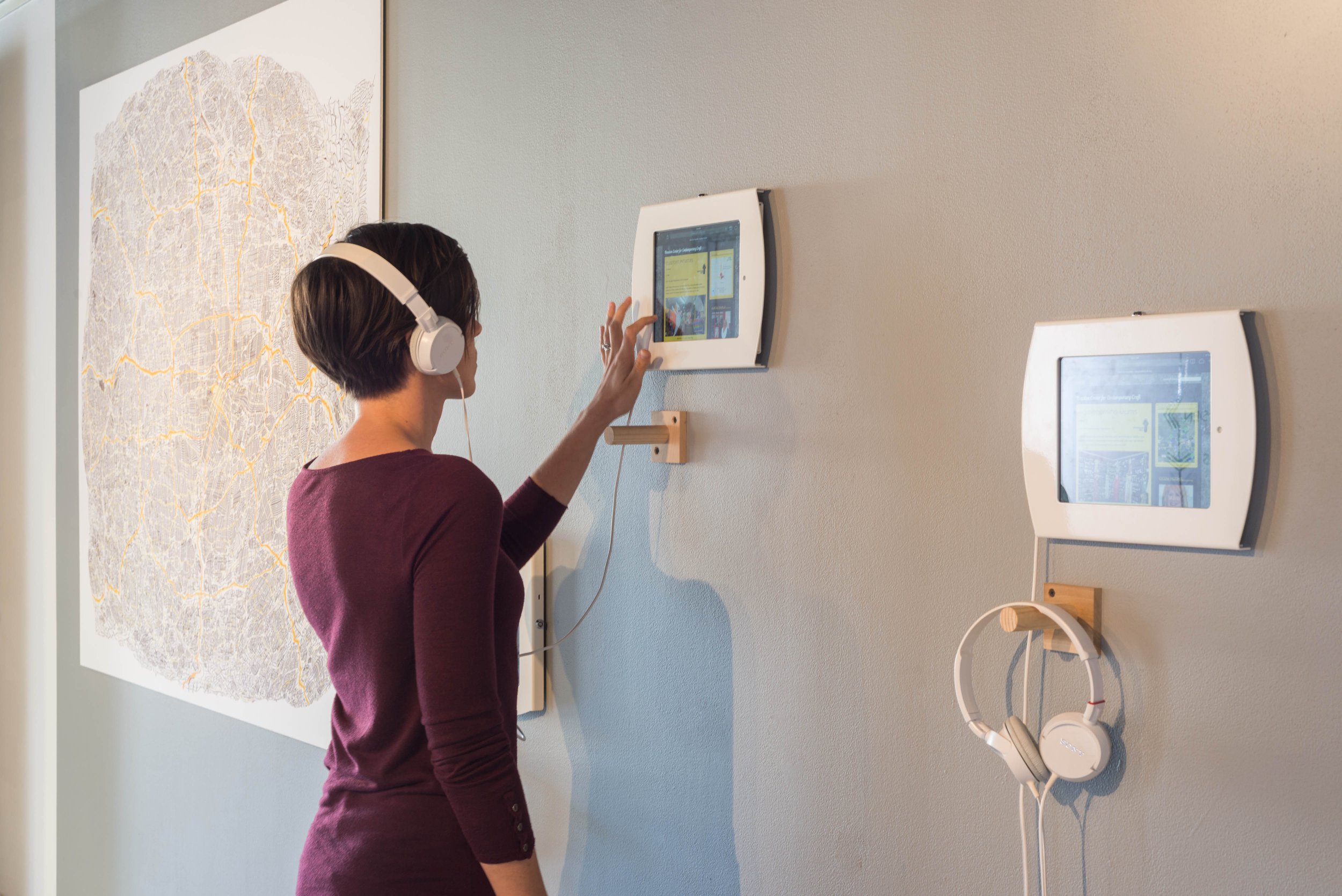
Encoded within Viviano’s piece was the postwar decline of cities in the rust belt, a theme also touched on in Dustin Farnsworth’s Looming Genes and Rooted Dreams which portrayed a housed in the process of being uprooted, a visceral portrayal of change that was also echoed in the somber, but beautiful “Foreclosure Quilts” by Kathryn Clark. Carrie Schneider’s Hear our Houston project took visitors outside the galleries with craft-related walking tours in the city’s suburbs.
Curated by: Susie J. Silbert and Anna Walker
Location: Houston Center for Contemporary Craft, October 4, 2013 — January 19, 2014
Artists:
Dylan Beck
Kathryn Clark
Béatrice Coron
Dustin Farnsworth
Julia Gabriel
Nancy Nicholson
Sara Pfau
Keith Renner
Paul Sacaridiz
Carrie Schneider
E. Ryan Simmons
Demitra Thomloudis
Norwood Viviano
Ashley Wahba
Dane Youngren
Andrea Zeuner
Speaker Series:
Judge Edward M. Emmett, Harris County Judge
Thomas Colbert, Associate Professor at the Gerald D. Hines College of Architecture, University of Houston
Susan Rogers, Director of the Community Design Resource Center and Assistant Professor at the Gerald D. Hines College of Architecture, University of Houston
Brian Crimmins, City of Houston Planning & Development Chief of Staff
Houston urban Development & Improvement Panel: Peter H. Brown, Director of BetterHouston, David Crossley, President of Houston Tomorrow, Diane Schenke, President of Greater East End District
Sara Zewde, M.L.A. Candidate, Harvard University Graduate School of Design
Carrie Schneider, Houston Artist